



I have a stark memory of these bewildering, broken-spirited types I saw as a child in the Jerusalem streets; draped in white robes or crowned with thorns, delivering sermons with violent, cracked eyes, speaking the word of God from their gut. Possessed, almost enchanted, they proclaimed in trembling voices messages from the end-of-days or the beginning-of-time. Later I learned to call it Jerusalem Syndrome: a phenomenon in which pilgrims to the Holy City succumb to a kind of spiritual oversaturation, brought on by the sanctity of the place and its excess of symbols. They fall into religious ecstasy, drawn into a process of particle acceleration/dissolution, slipping into a closed symbolic system where everything is measured in terms of sin, retribution, and redemption. The mind and spirit are overtaken, dissolved, and remade by greater forces.
The syndrome thus becomes a window into understanding how the architecture of faith and destruction operates at the core of human experience, and the eruptive potential it contains. Whether innate or acquired (nature vs. nurture), faith, and its collapse, are volatile symptoms amongst those who seek redemption.
We are witnessing the return (or reemergence in renewed form) of religion, which is almost inevitable in this age of deep uncertainty, rising violence, and the dominance of techno-digital realms where prophecy is replaced with algorithms. As a primal, instinctive drive, faith transforms itself into a rational instrument for meaning-seeking. These processes open a threshold to a new renaissance of belief - whether in politics, where it has long been an intensifying force, or in the cultural sphere, through language, imagery, and symbols around us, all recharged with spiritual resonance as our attention to them grows sharper.
Alongside faith lies its counterforce, the energy that emerges in the wake of every intense experience, when spiritual impulse becomes infused with the drive and desire for destruction. What brings a person to the point where this sabotaging instinct, usually dormant, suddenly breaks through the floor of the soul with a coarse moan? When does one cease to be oneself and become a vessel for another presence - what is the voice that speaks through you? An angel of sabotage, whose wings have clung and become entangled in your soul.
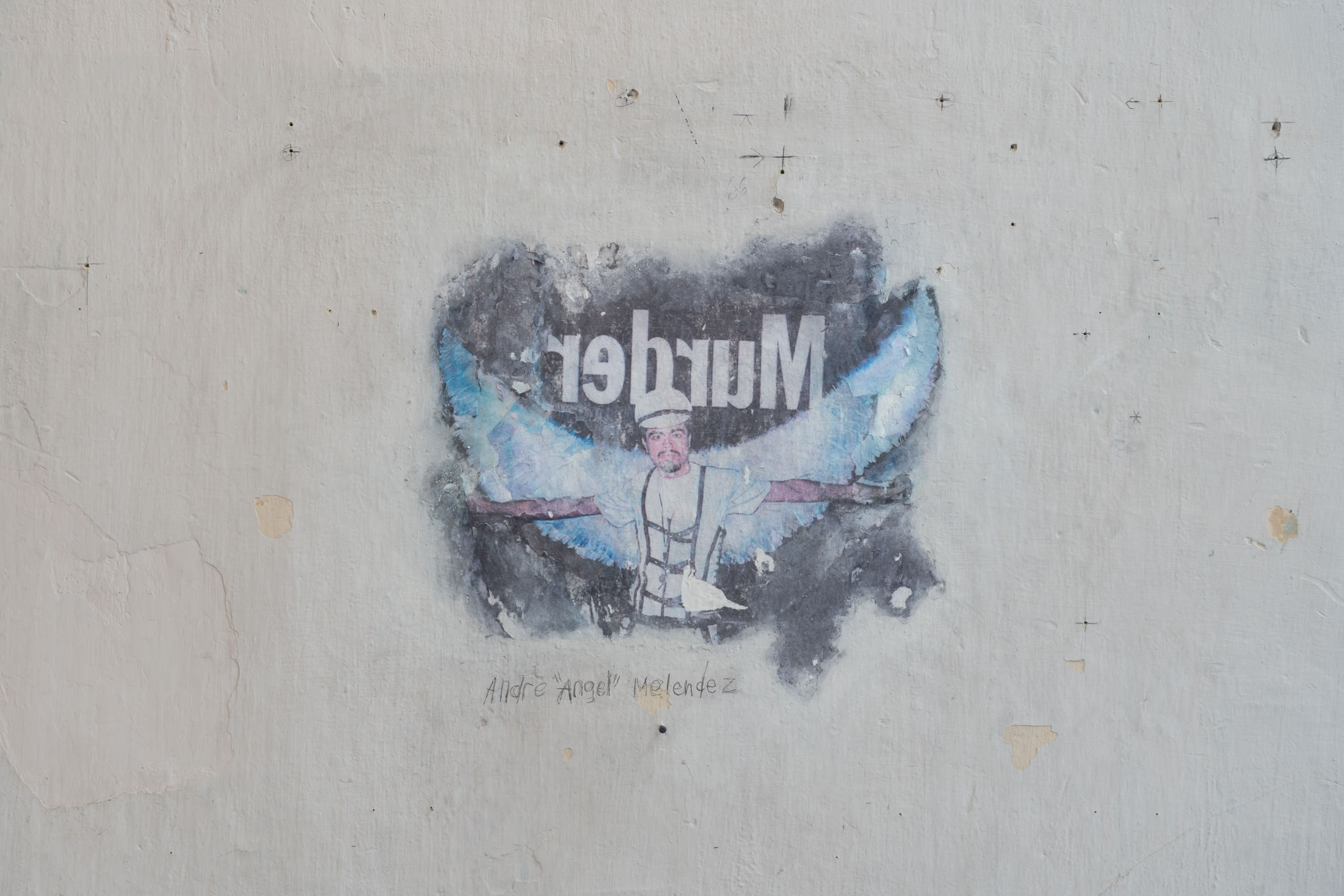
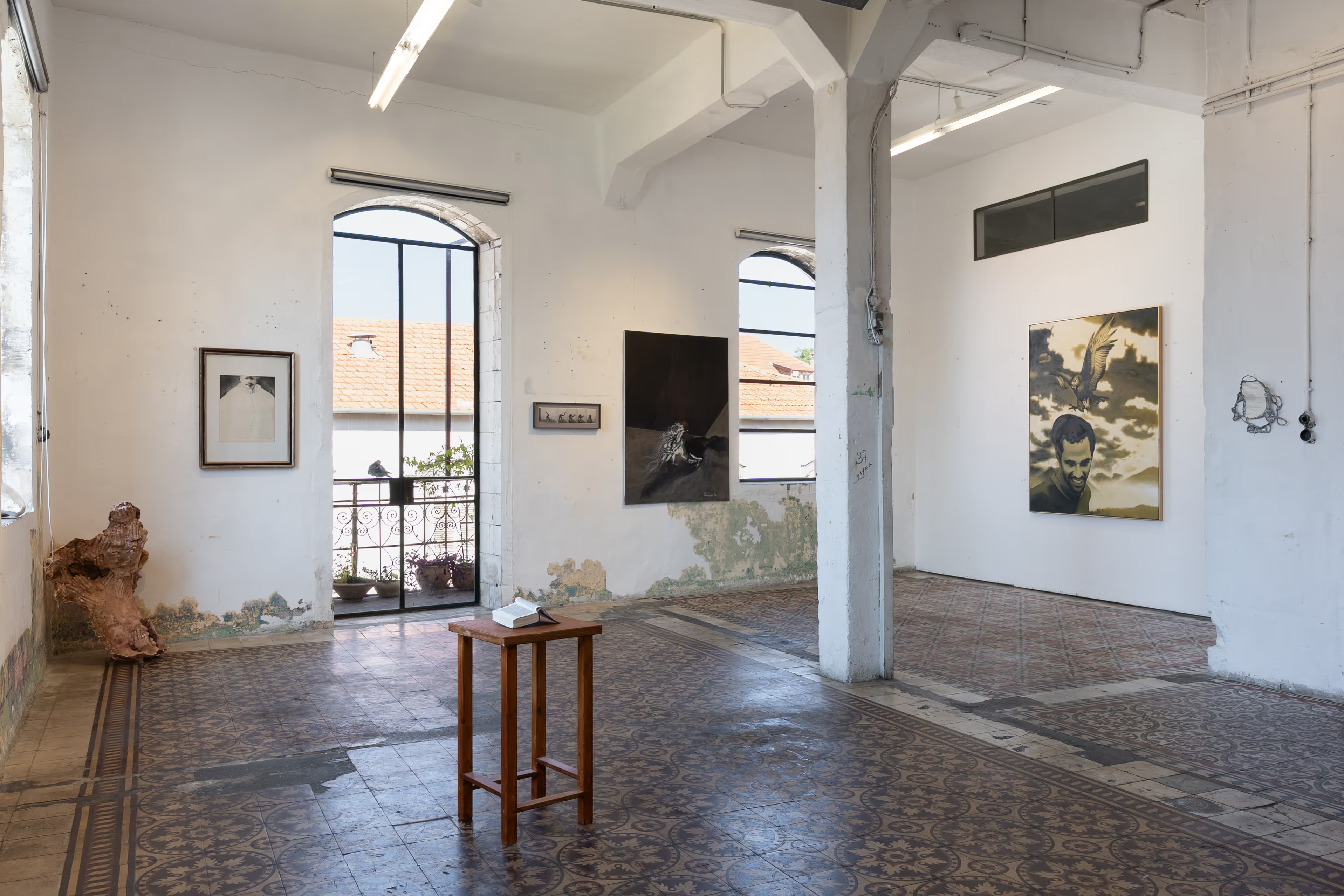
From this rupture, the exhibition itself emerges, bringing together an intergenerational group of artists whose works carry this charged energy of trying to grasp both extremes at once: the angel and the saboteur within us. Their works explore how forces of protection and of breakdown coexist, and even arise from one another. The artists probe this volatile potential and its catalysts through the angel’s dual figure - present in moments when the fracture becomes a mandatory condition for revelation/transcendence1.
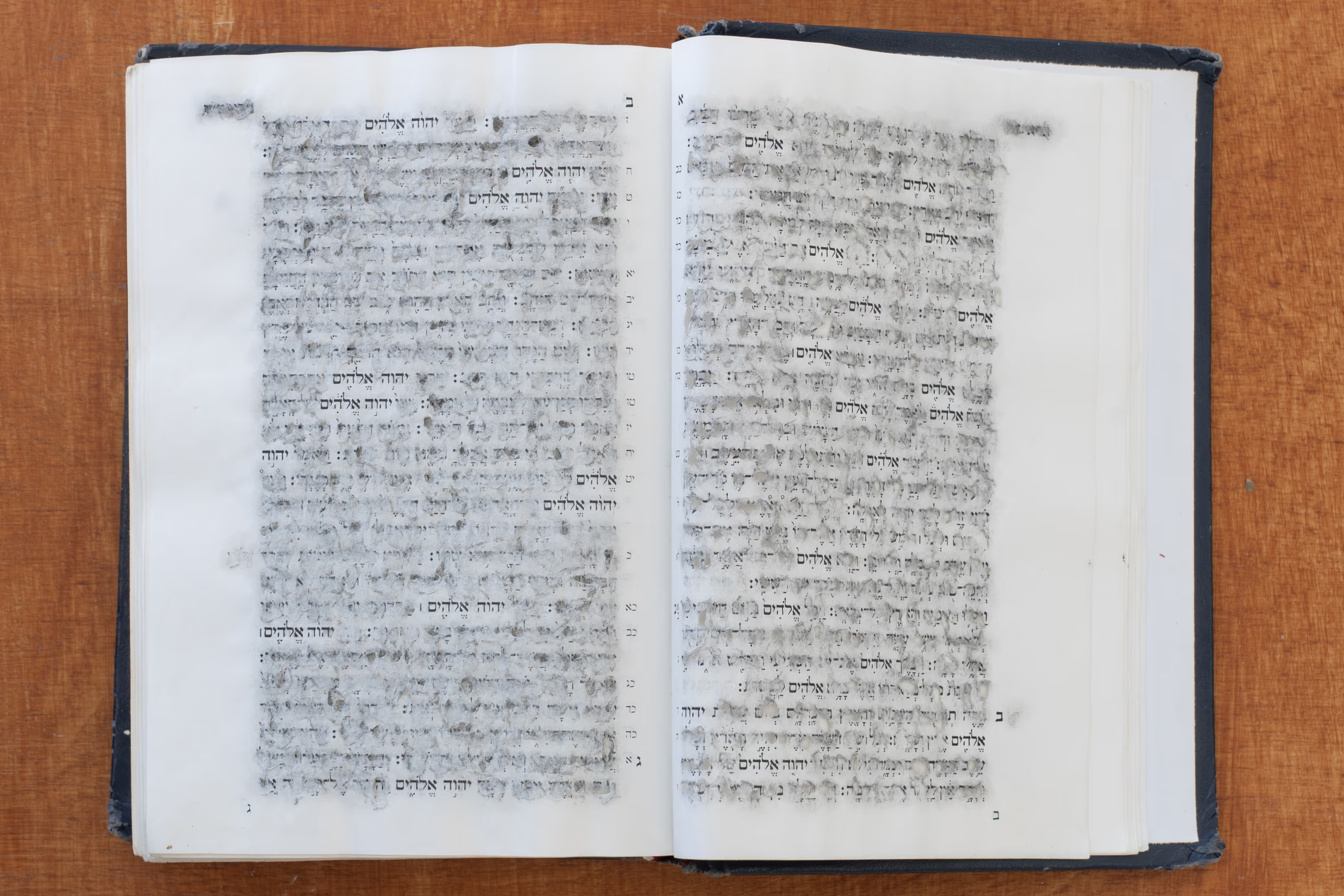
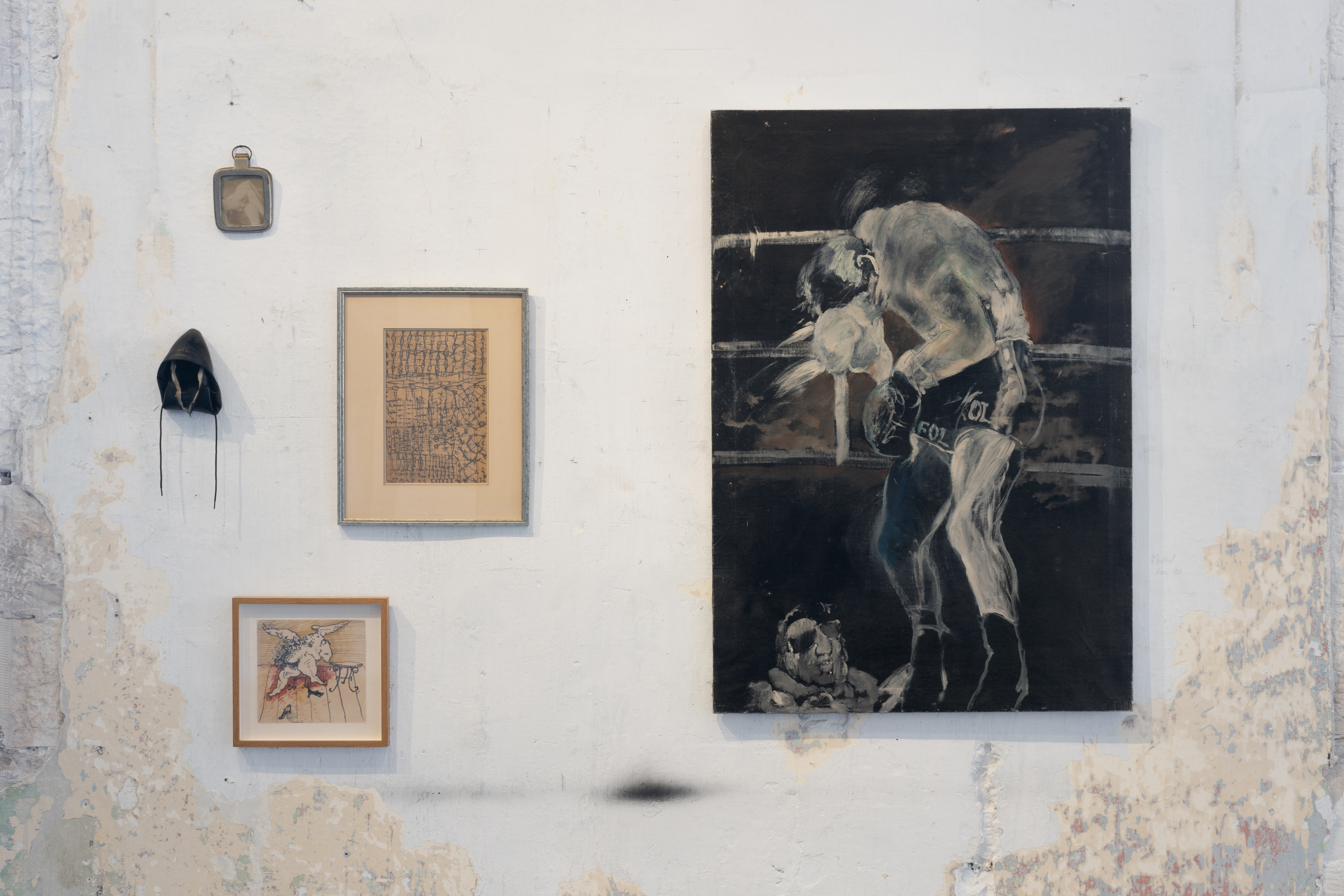
The works on view focus on moments of rupture in which the image loses its grip, and the body, the material, or the figure is exposed in its bare inner struggle. Out of this clash emerge hybrid, half-winged creatures that charge the space with emotional and political tension; they oscillate between ritual and combat, between a charged present and a ceremonial memory. The material itself participates in the struggle: it is scorched, inscribed, split open, and rebuilt.
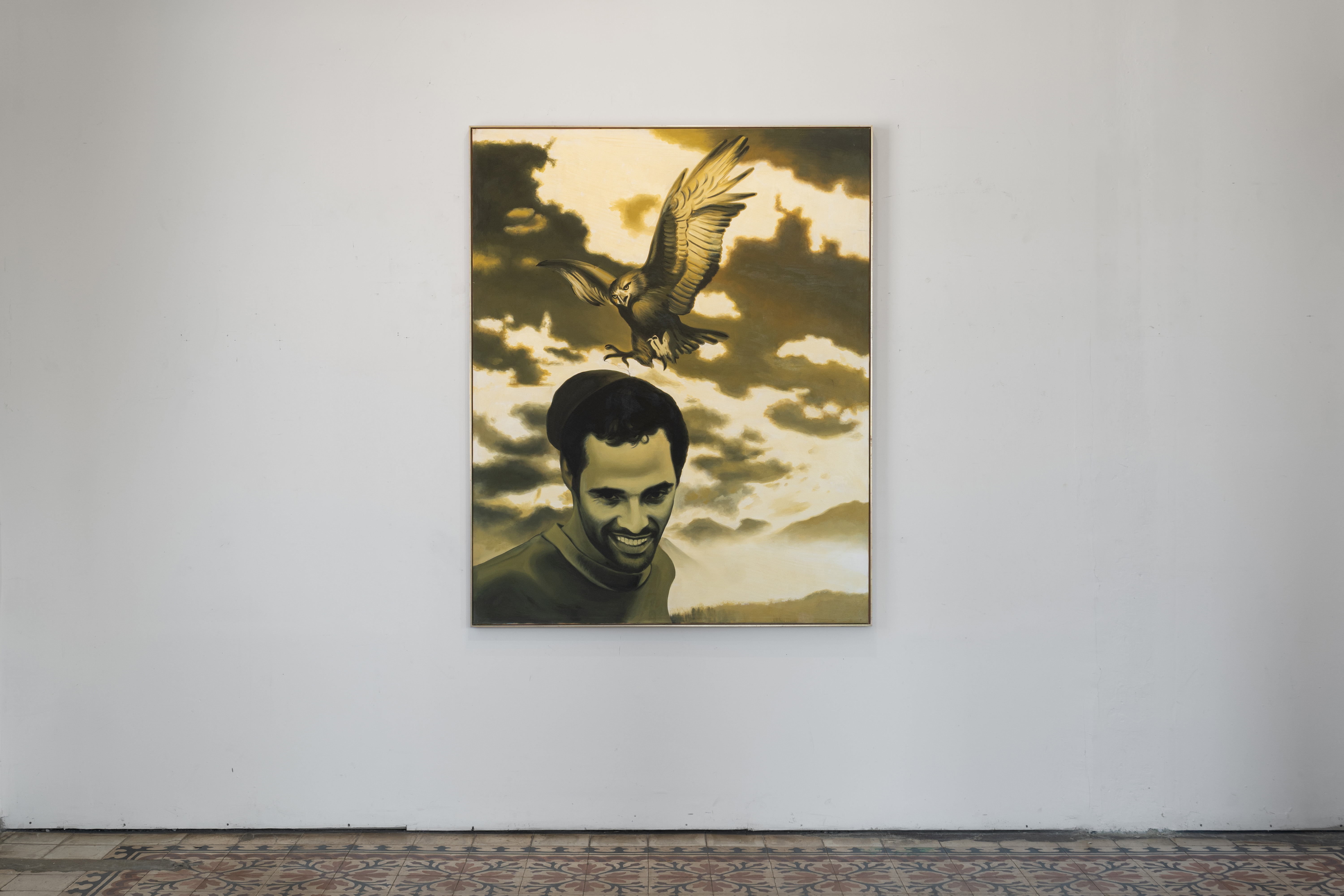
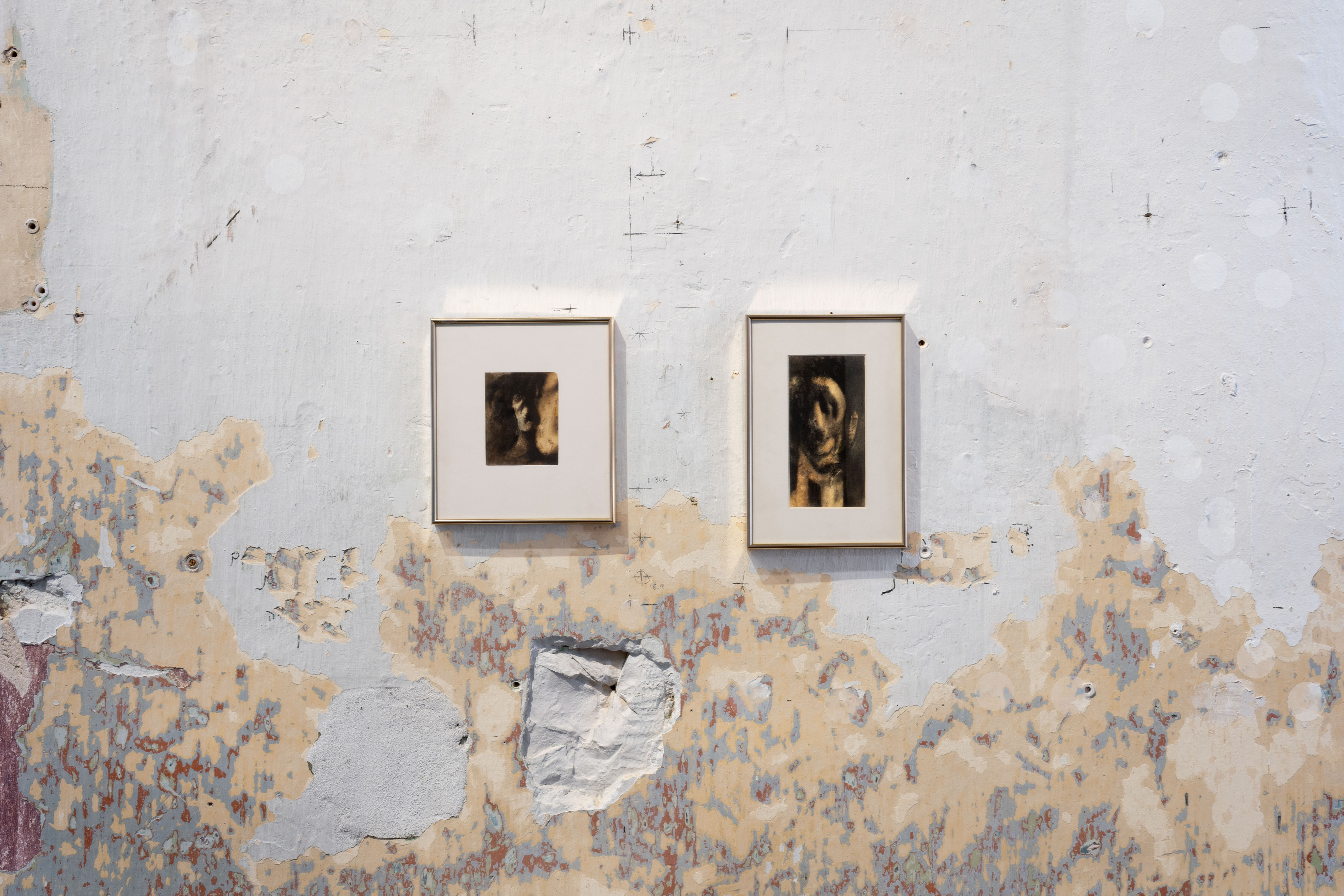
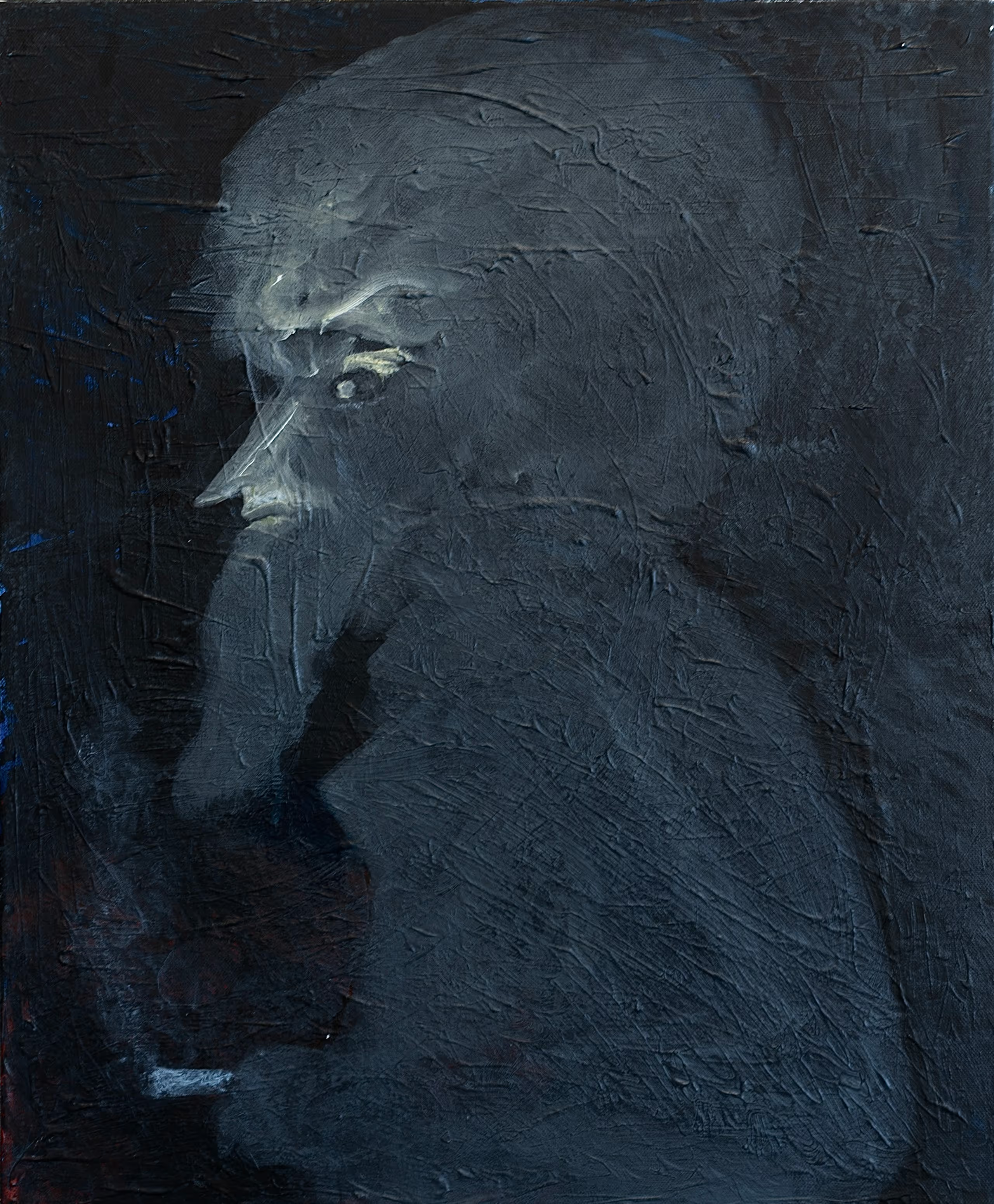
The body is a central axis in the exhibition: flesh against flesh, eye for eye. Faces recur throughout the works - some literal, others born from shadows or coincidence. This is the phenomenon of pareidolia: the human tendency to perceive faces in images or ambiguous forms, even where none exist. This is a remnant of a primal survival mechanism that once drove our ancestors to discern faces among the bushes, to detect a threat before it approached. Here, that evolutionary residue is an act of interpretation and reading: the instinctive search for an angel or a demon within the image.
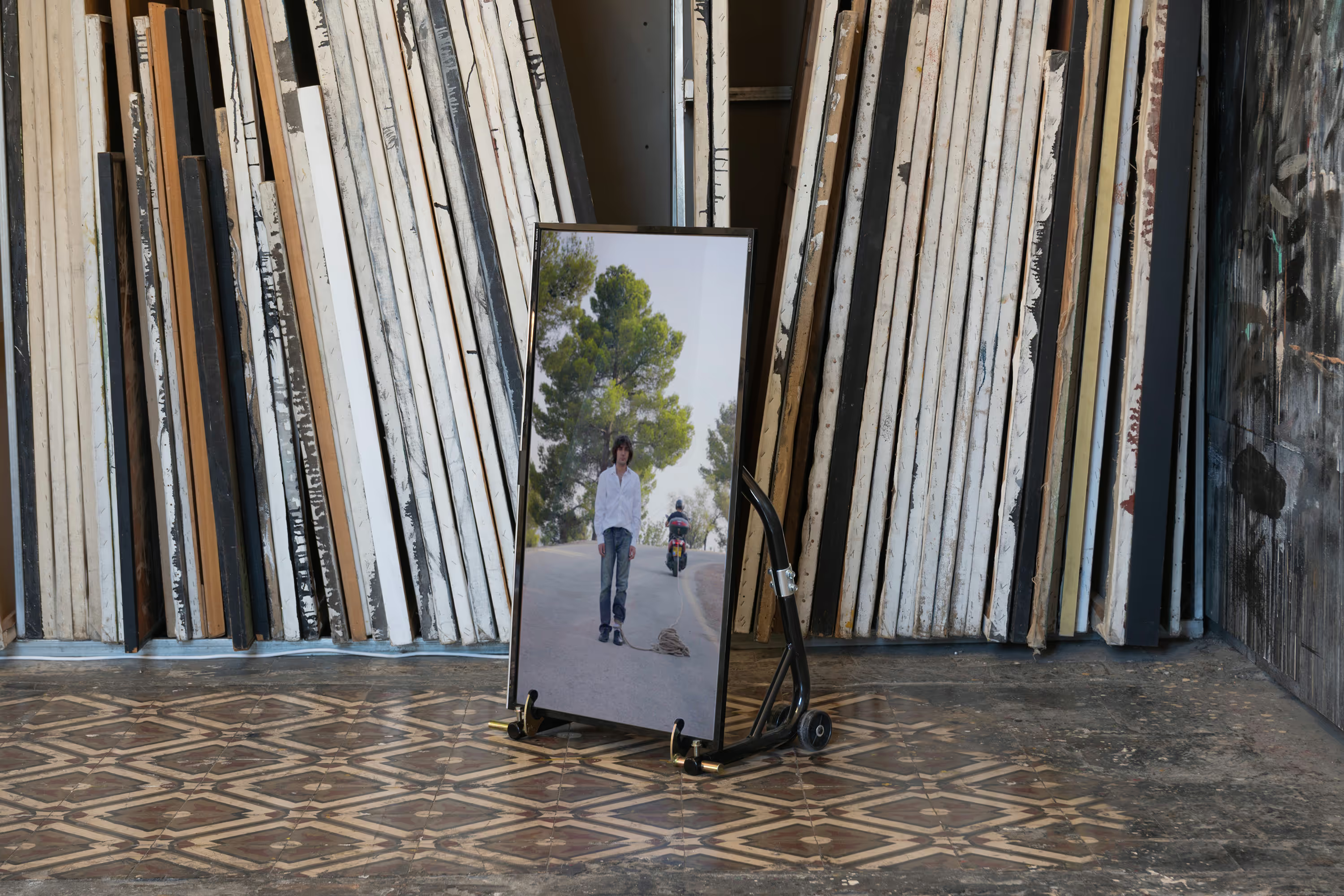
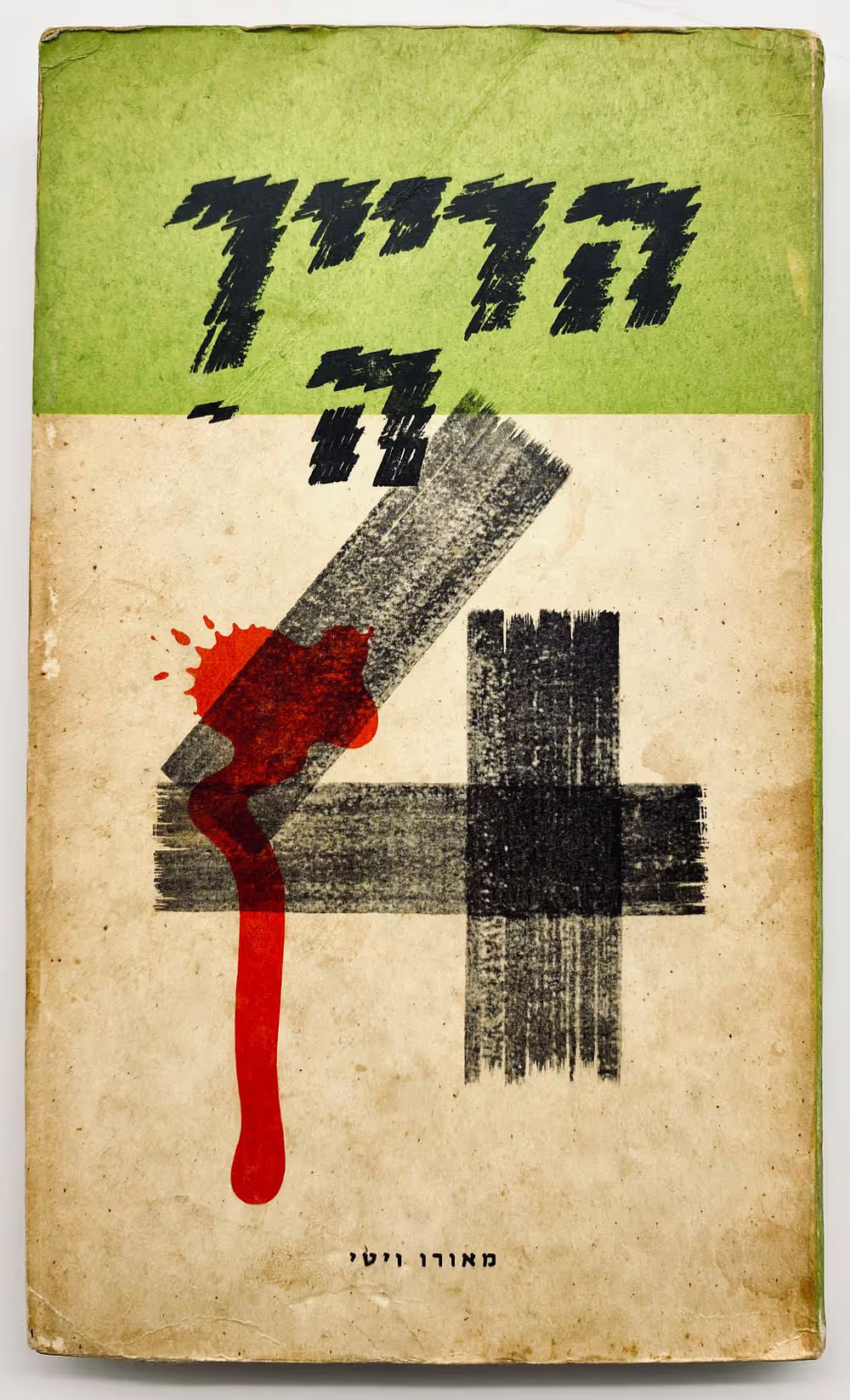
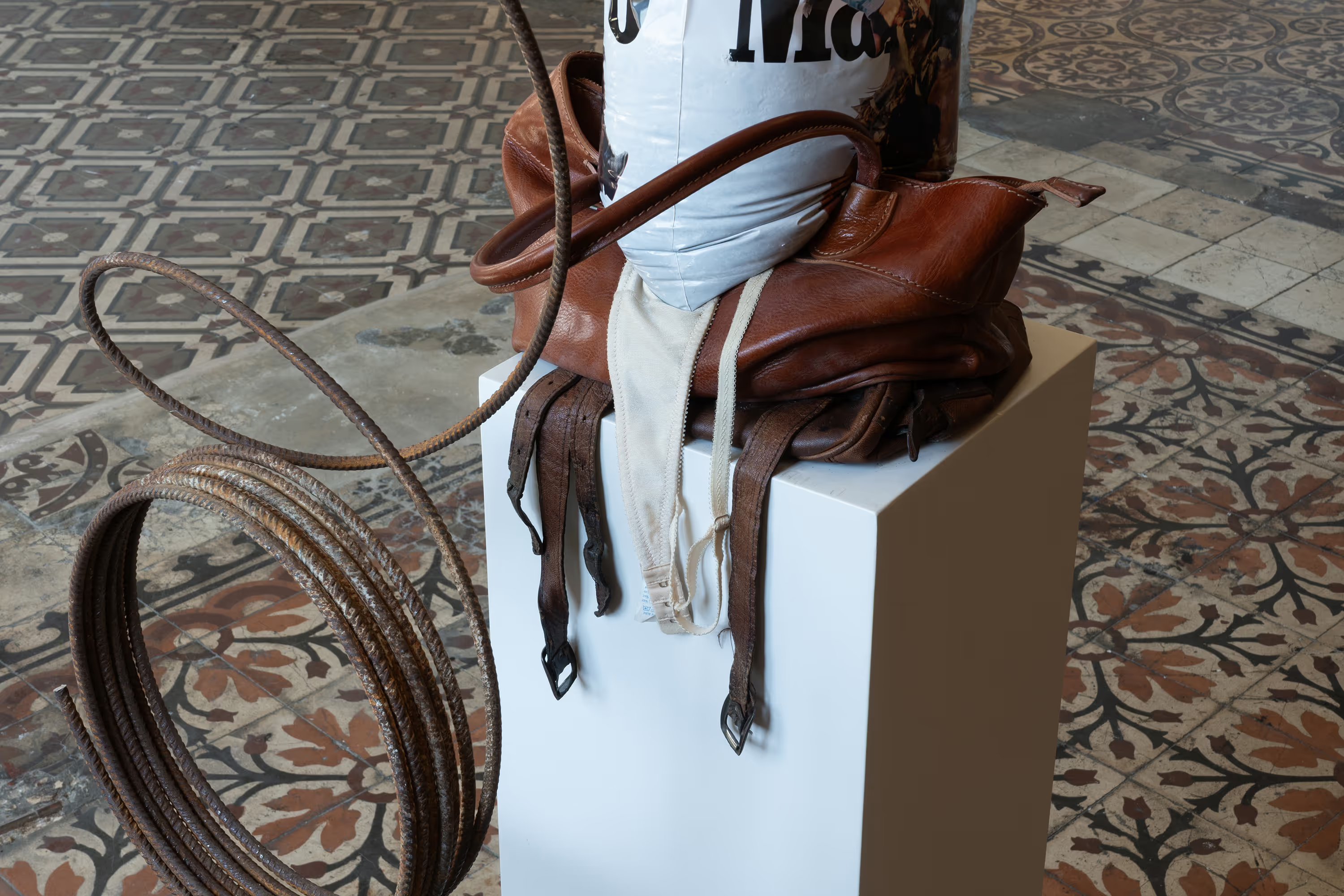
The works in the exhibition bring together a network of bodies and symbols operating in the tension between sanctity and desire, between ritual discipline and raw impulse. Bold lines and images of grappling and displays of masculinity appear in Uri Lifshitz’s wrestling arena, in Roee Rosen’s winged Mercedes emblem, in Ron Asulin’s cowboy whose lasso dominates the space, and in the video by Liam Chambon and Ben Alon, which re-enacts a TikTok trend where a bound body and the roar of motorcycles form a kind of contemporary ritual language. Fragments of the body appear in the sculptural works of Gilad Ashery and Chen Cohen, where matter and flesh seem to wrestle with themselves, fingers and limbs which morph into portals. Gestures of writing and erasure emerge in the works of Malak Manzour and Eti Levi, while Muhammad Toukhy examines the relationship between surveillance and faith through a security camera placed in a mosque. In the lower archive, a collection of Lifshitz’s etchings and photographs reveals deranged and shadowed figures, contours of desire and destruction.
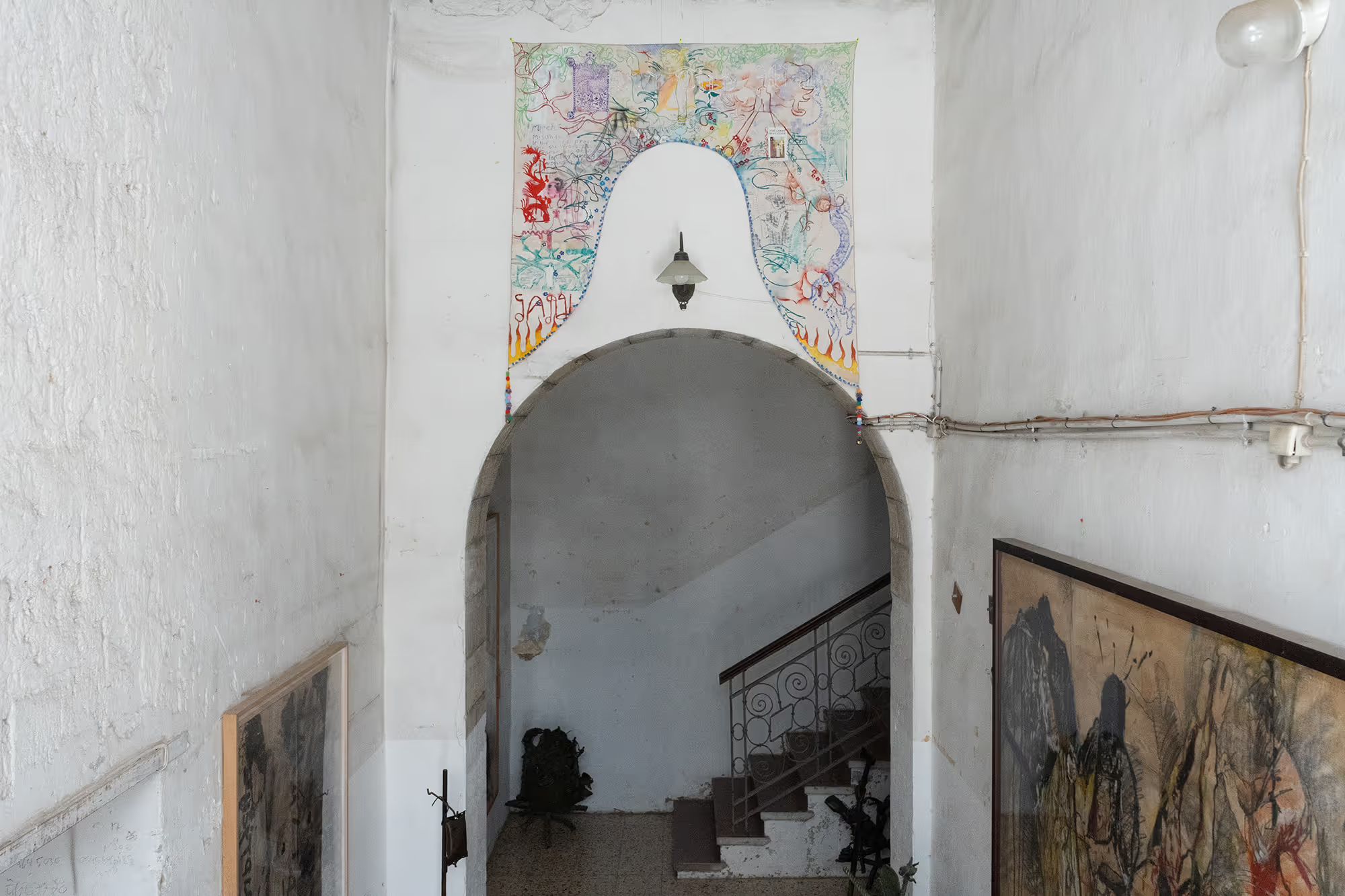
The building, once Lifshitz’s studio, embodies a vivid, volatile energy; layers of walls, colors, and ideas accumulated over time. It operates as a space that moves between temple and archive, holding the resonance of the works it now houses, and those that came before. It is a stratified space, a palimpsest, recalling a Talmudic page layered with commentaries and additions through generations, where each new inscription does not erase the former but deepens it. A melting point of temporalities: old mythologies drawn inward, birthing new ones.
Alicia Kamien Kazhdan
Jerusalem, 2025
1This idea is explored in depth in Romane Mrejen’s essay “Plastic Angels, or the Ontology of Sabotage” in the exhibition catalogue.

