

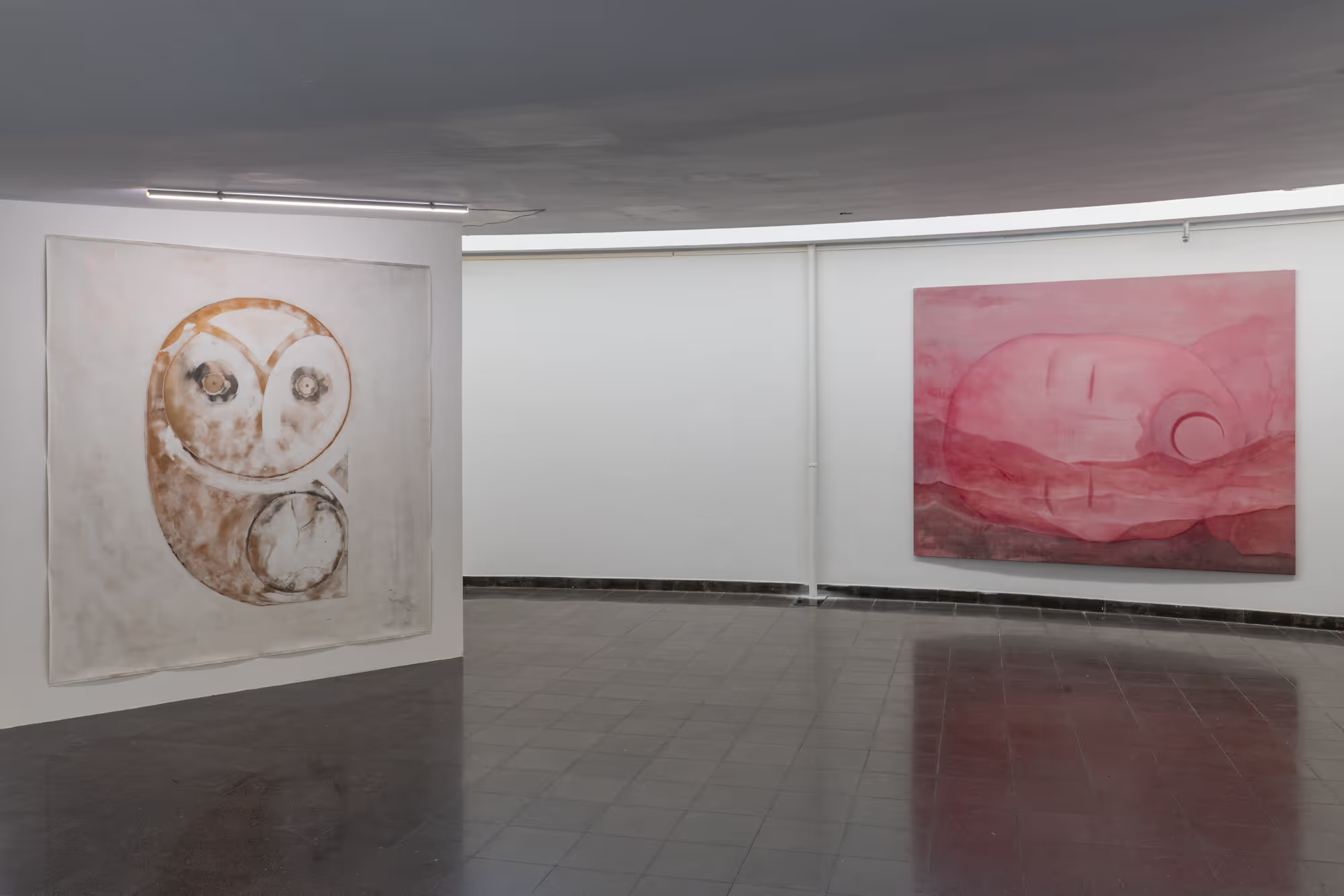
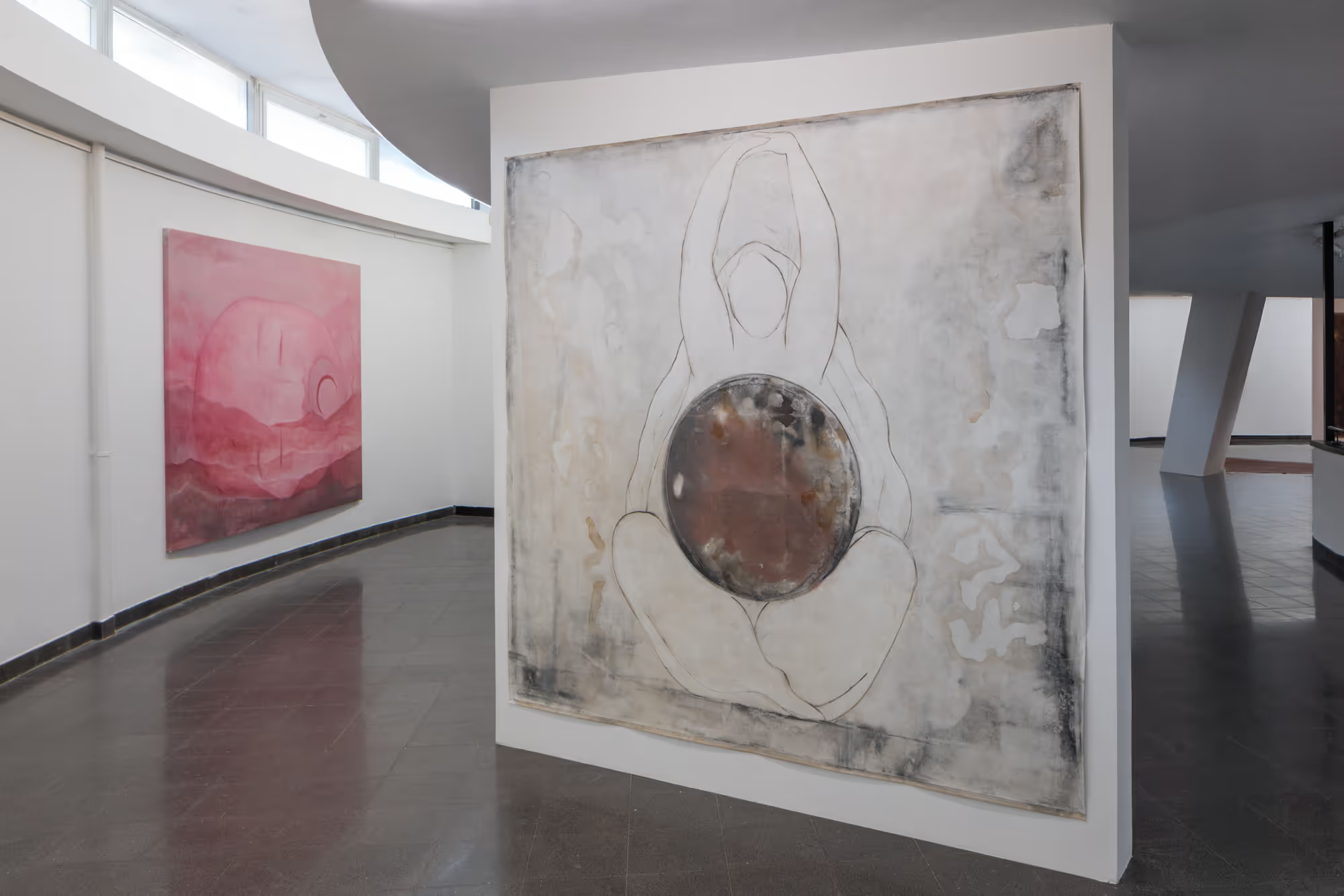
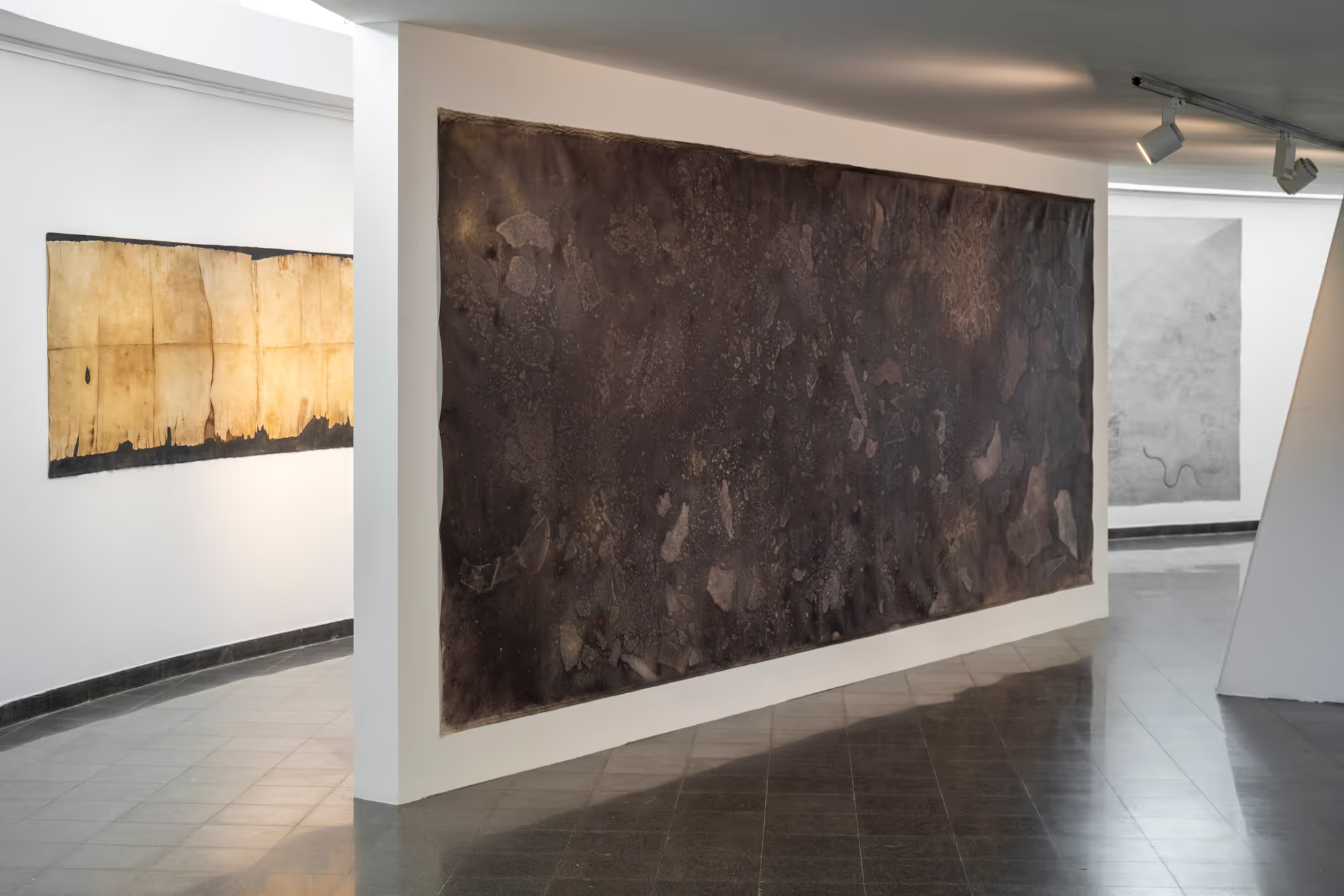
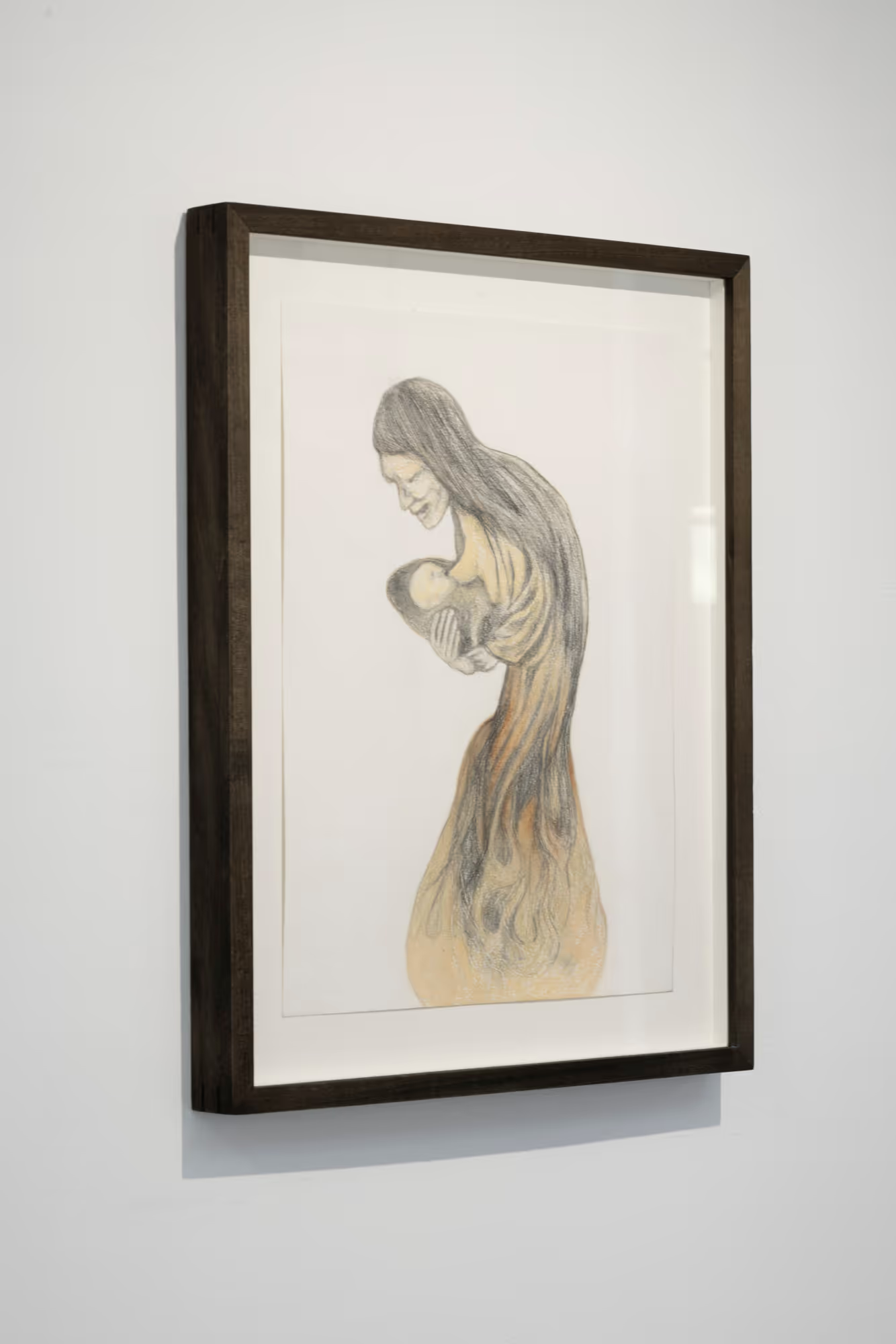
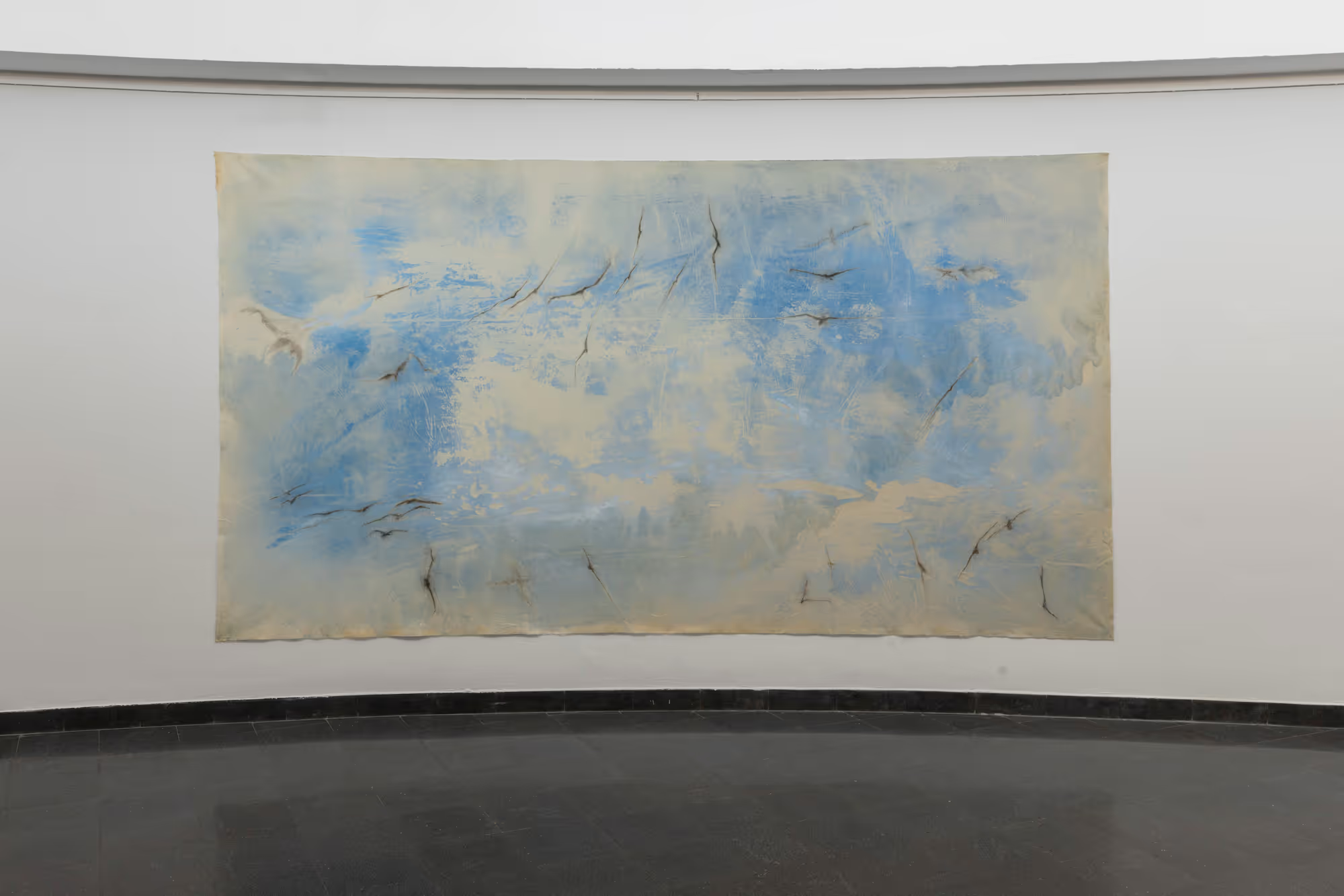
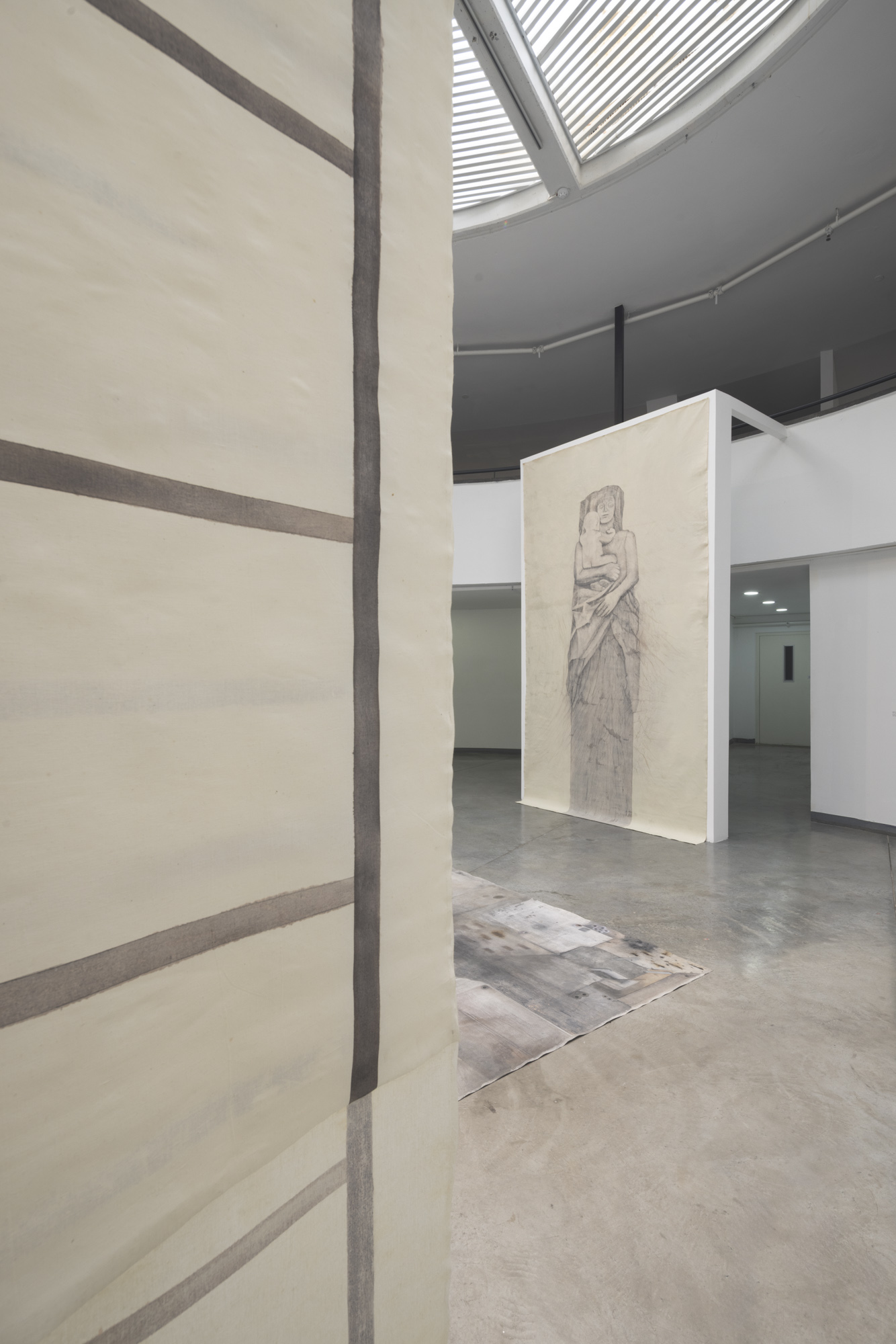
Lihi Turjeman’s first museum solo exhibition unfolds along the axis between destruction and redemption. If the point of destruction is clear as daylight, redemption remains as a yearning within it — a distant wish. The exhibition’s title, “The Age of Aquarius,” draws from the astrological concept that foretells the dawn of a new era — an age of collective awakening and a global paradigm shift. In this era, according to the astrological tradition, old power structures dissolve: Political, religious, and economic systems lose their validity, giving way to communal, digital, and conceptual networks founded on sharing, openness, and equality.
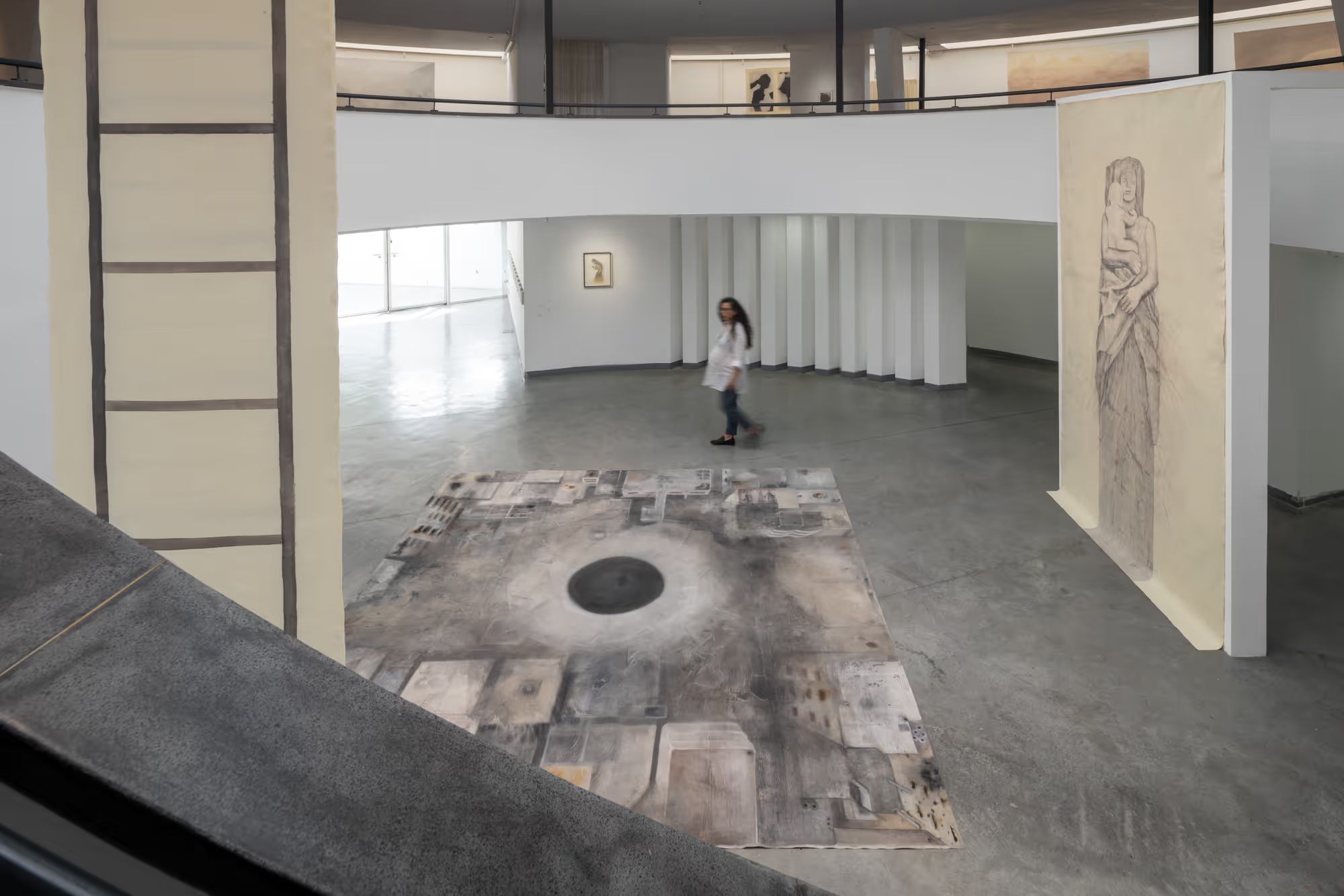
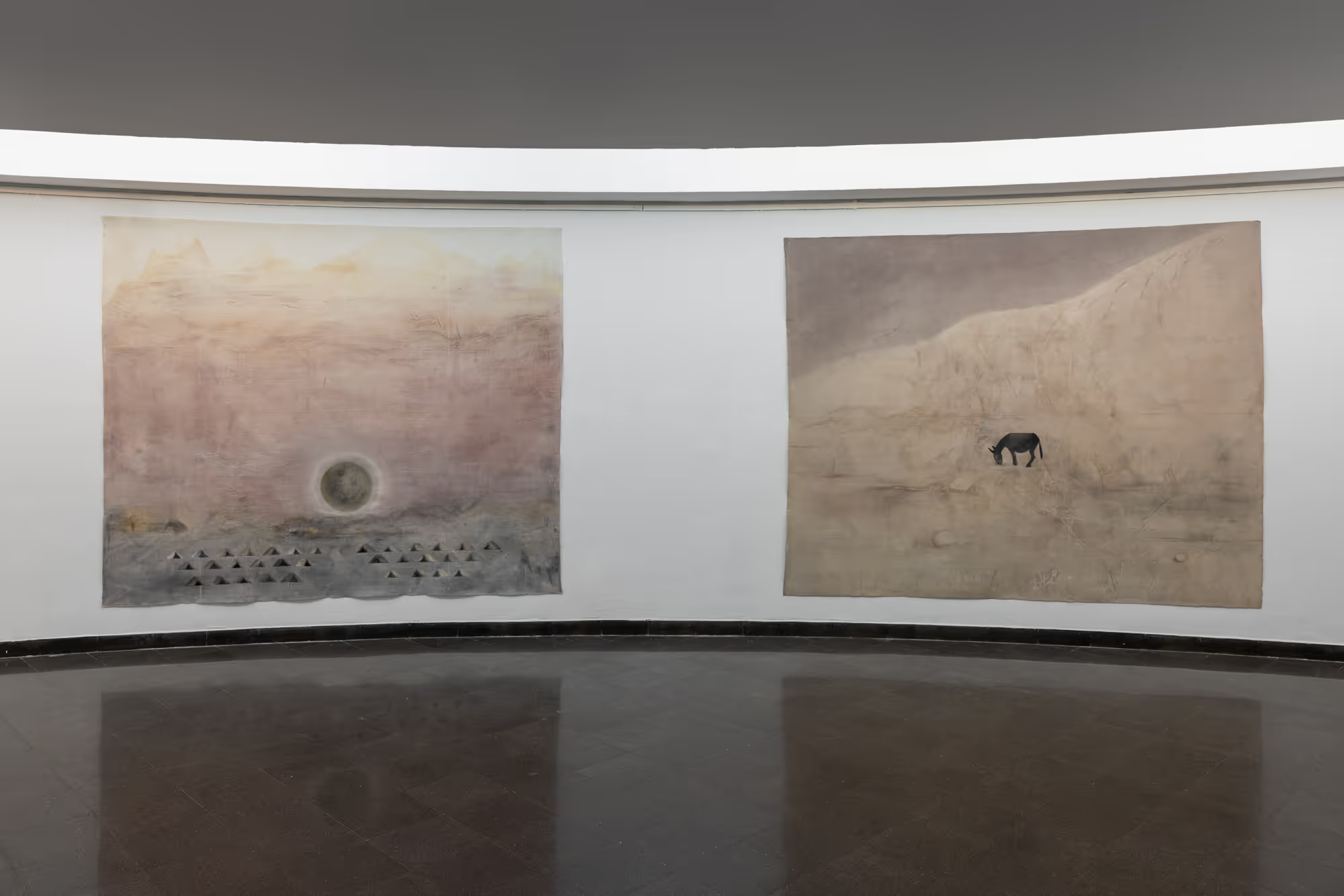
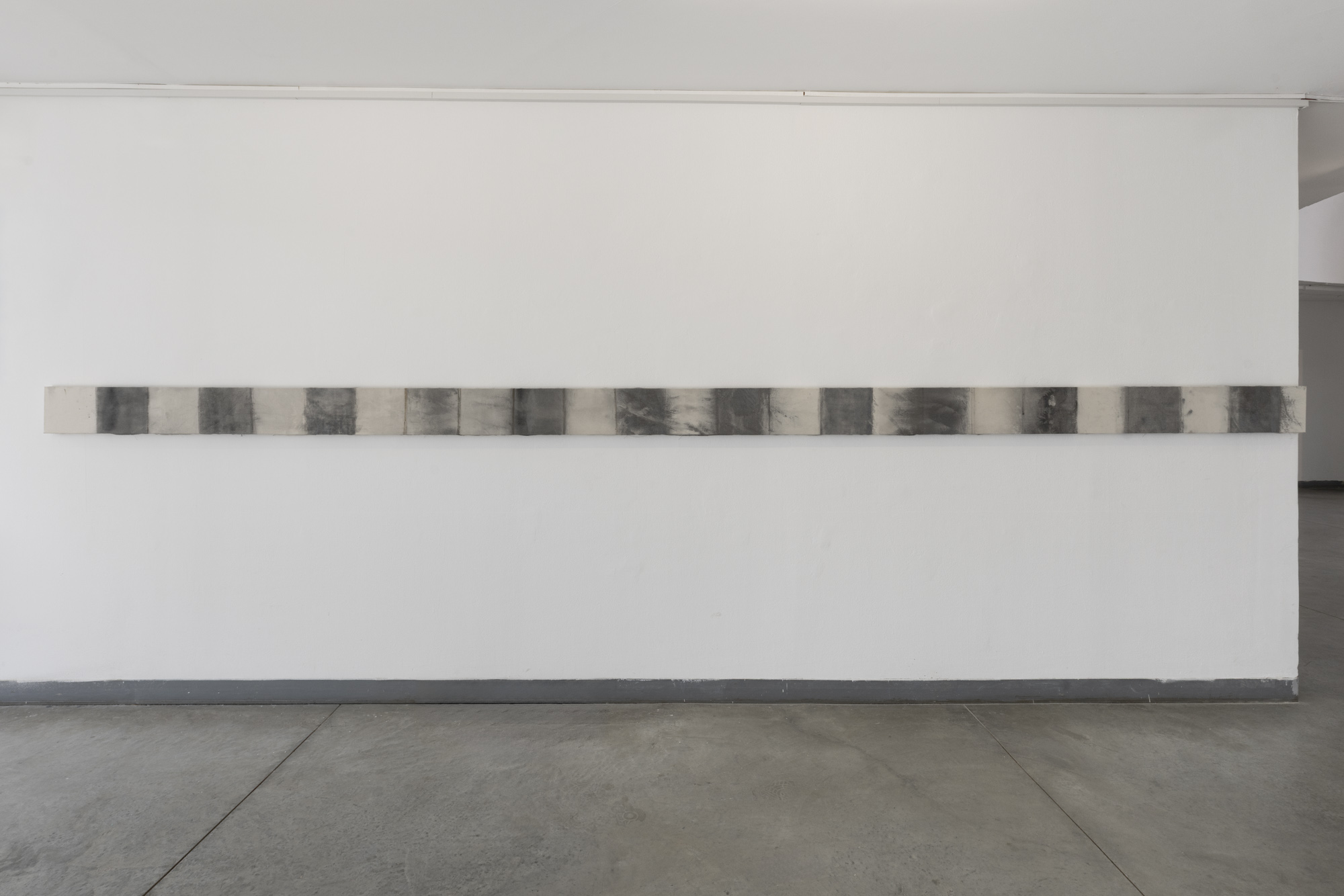
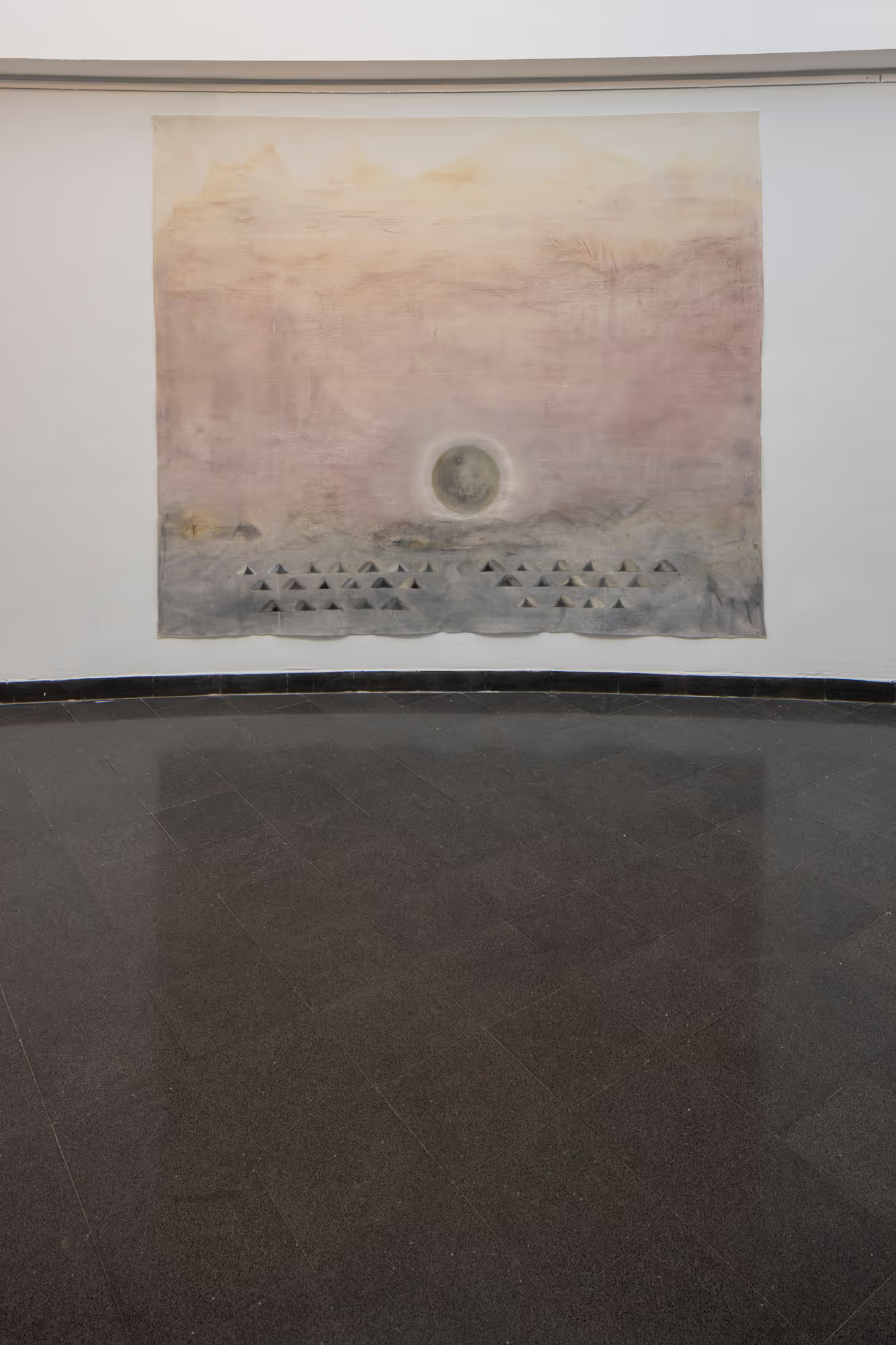
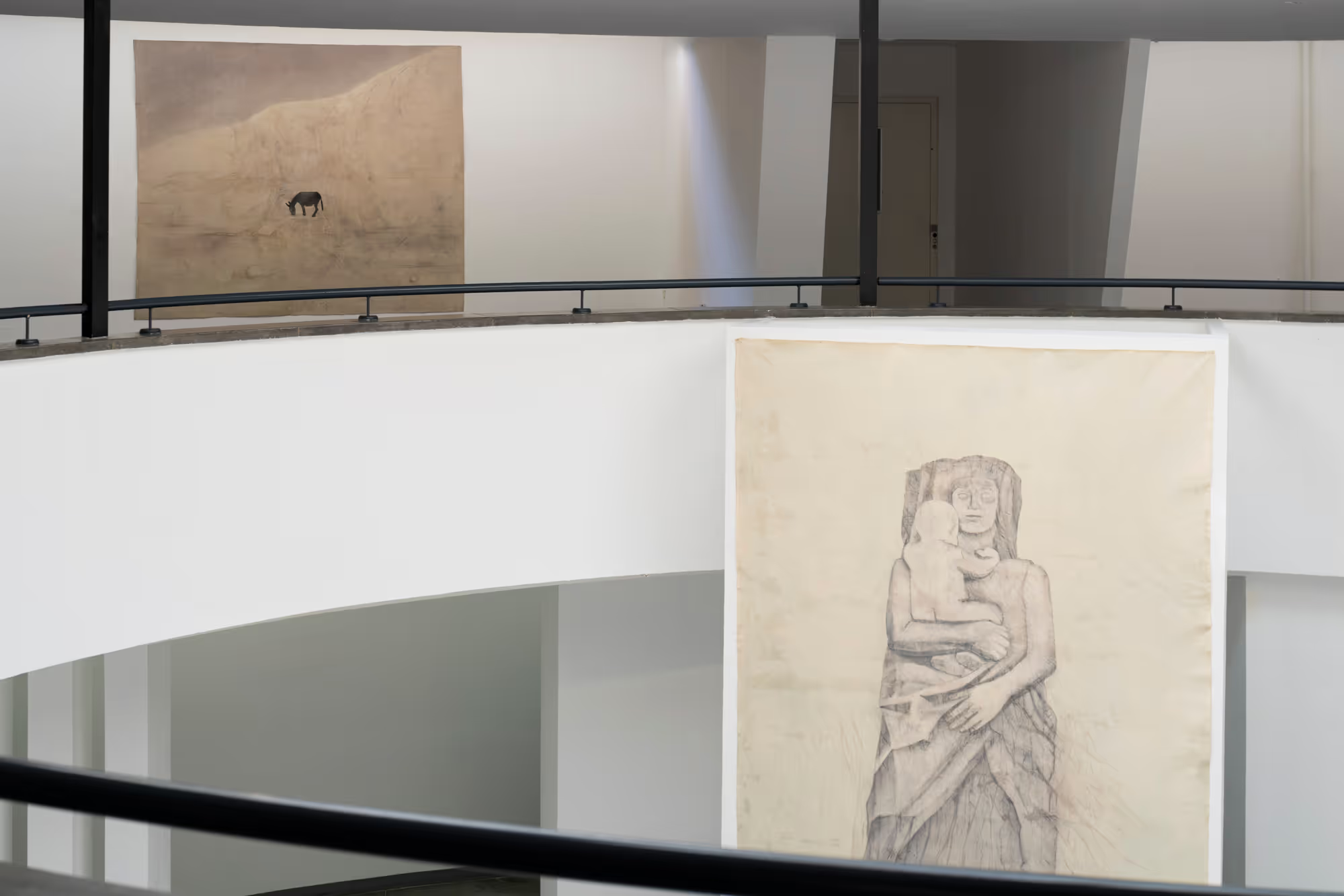
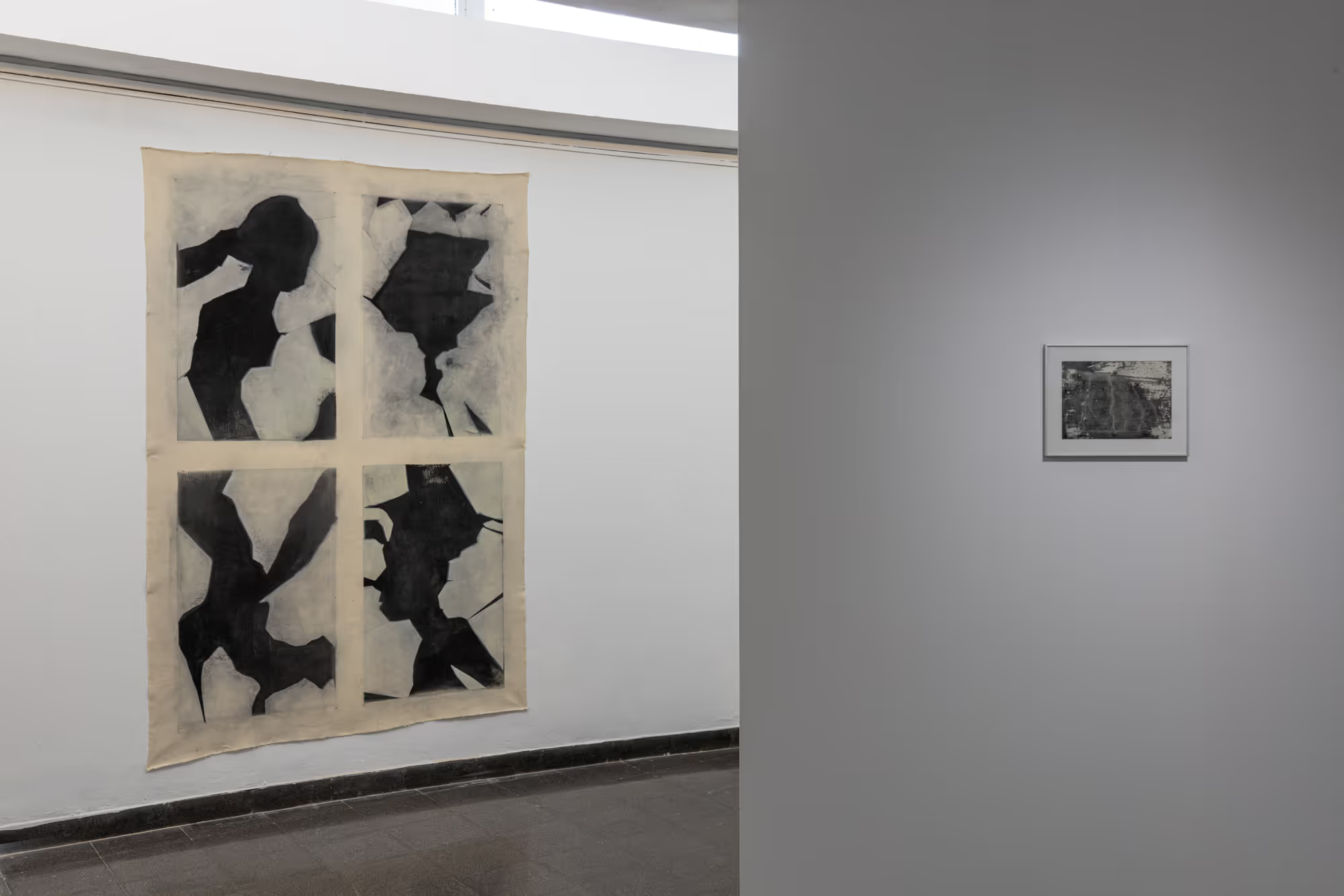
Amid the epochal shift, Turjeman presents a rich visual lexicon rooted in the local landscape yet resonant with echoes of another culture — that of the West, and more specifically, Italy, where the artist has lived in recent years. It seems that a renewed encounter takes shape in her work, between Judea and Rome, between the local and the imperial, between a mythical past and a volatile present. At the entrance level, four works are displayed as an index: A devastated city, a scroll, a ladder, and a woman shielding a child. They encapsulate the various types of gazes activated as the viewers move through the exhibition — from the aerial perspective, associated with flight or attributed to the divine; to the horizontal gaze facing the front, the distance; to a close look at the object, maintaining human scale and physical presence before the painting.

