

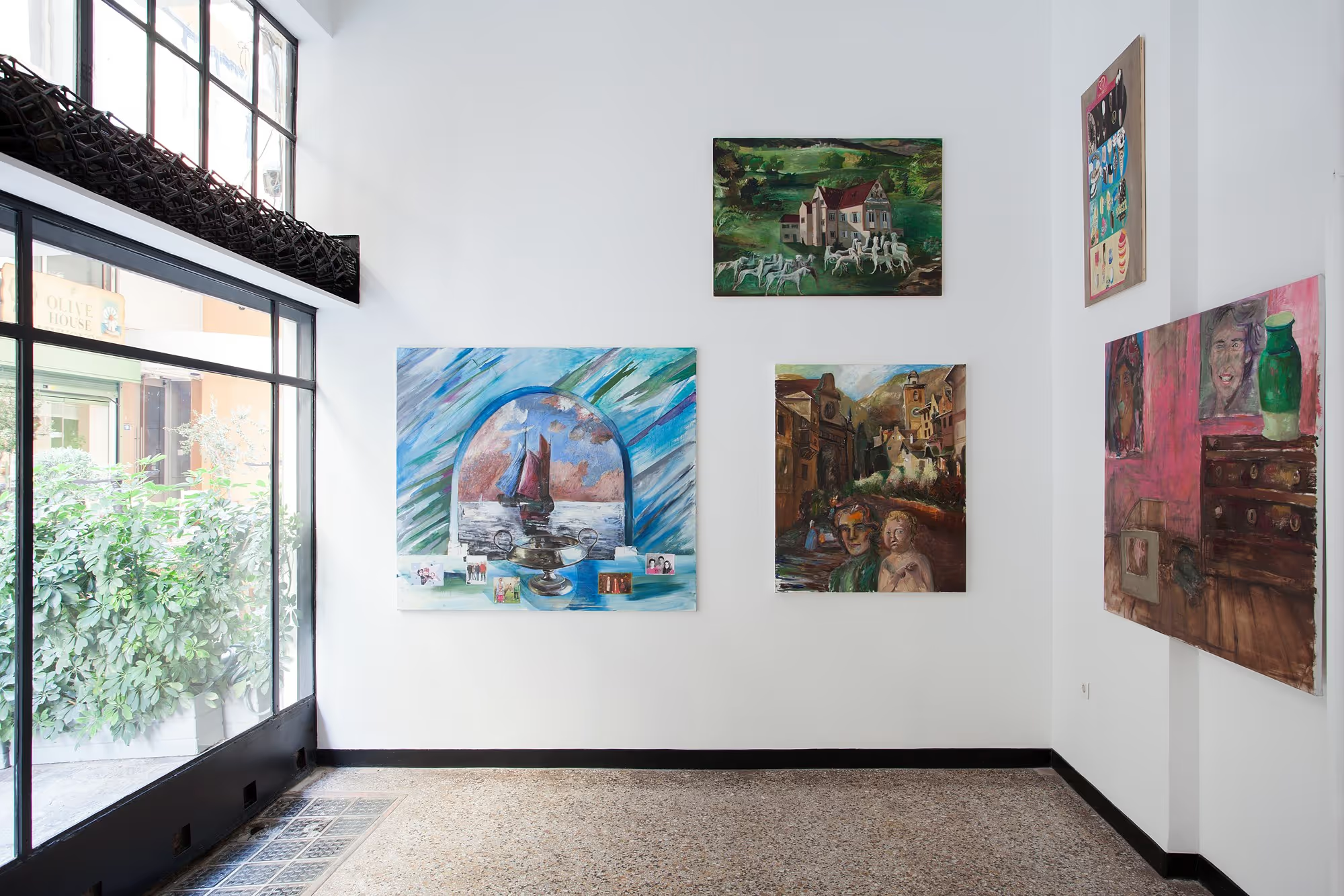
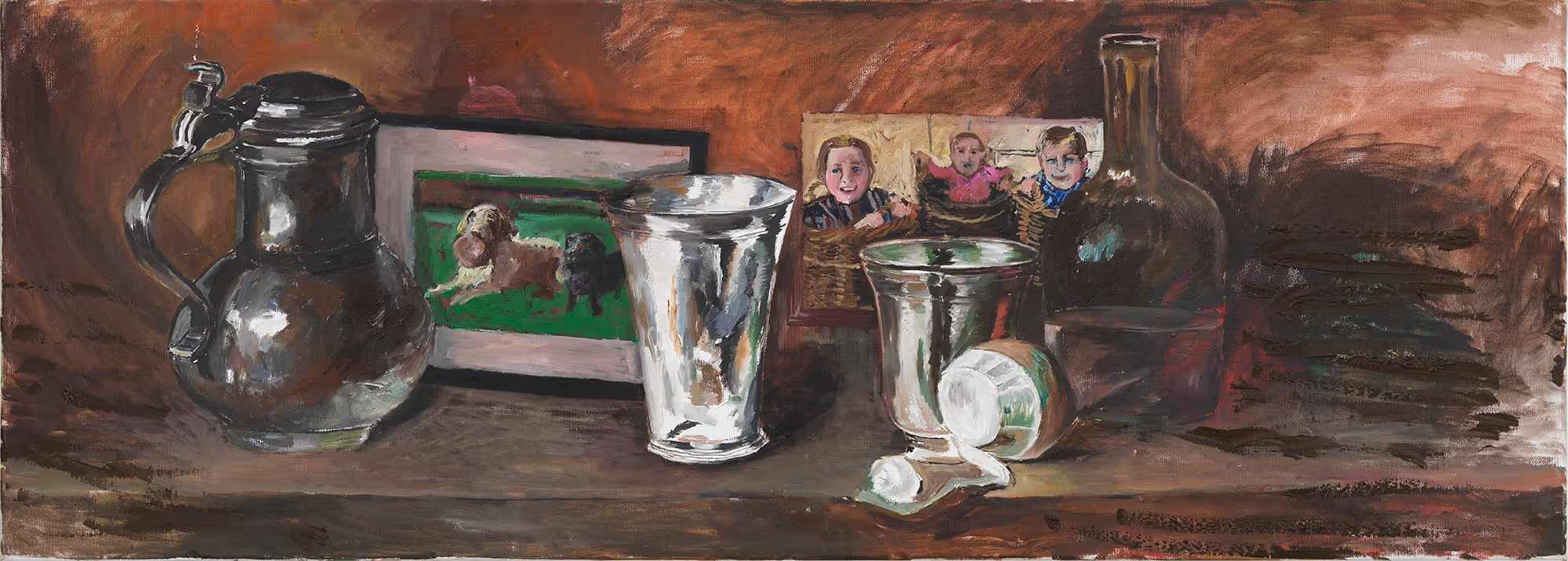
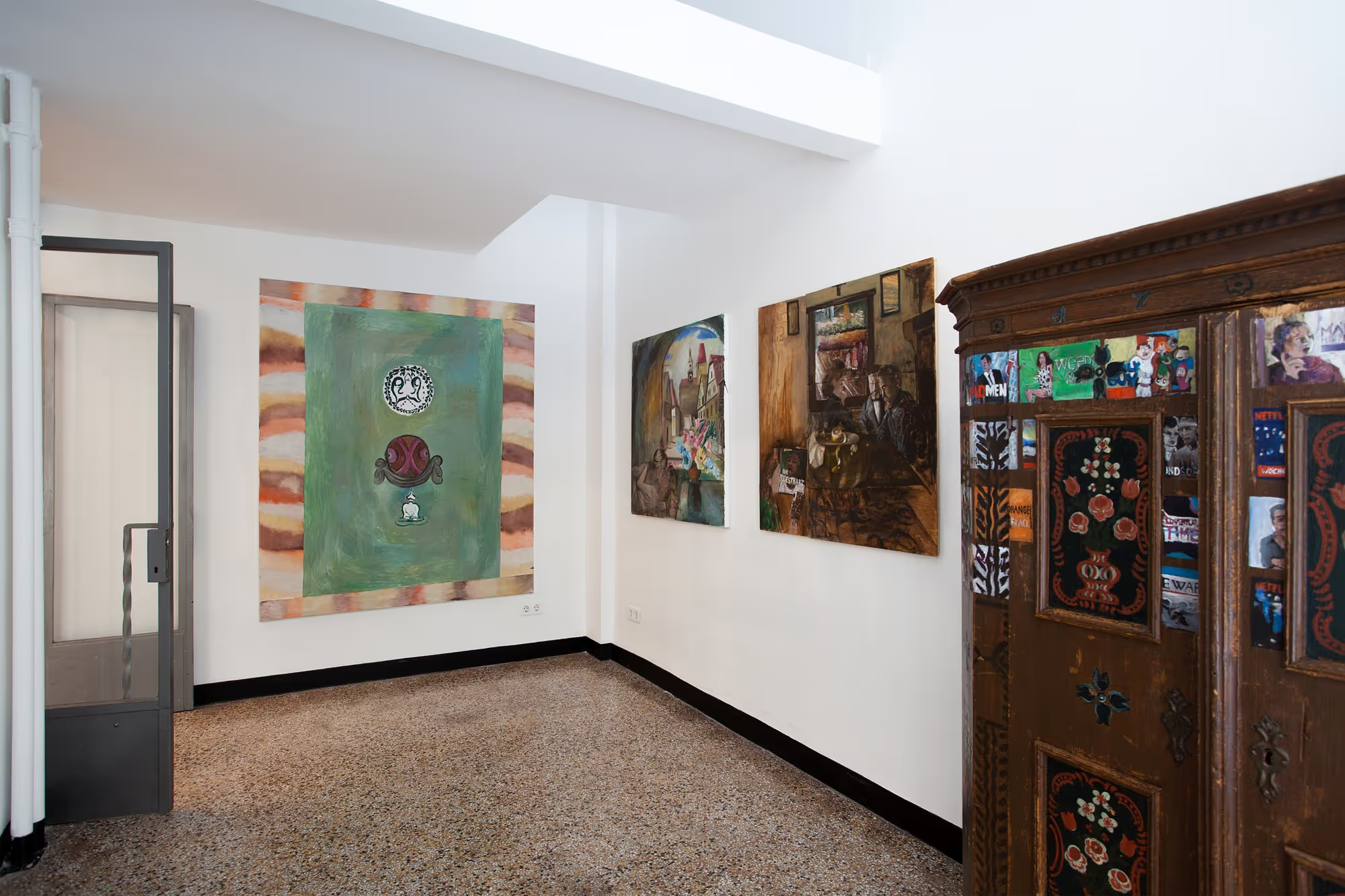
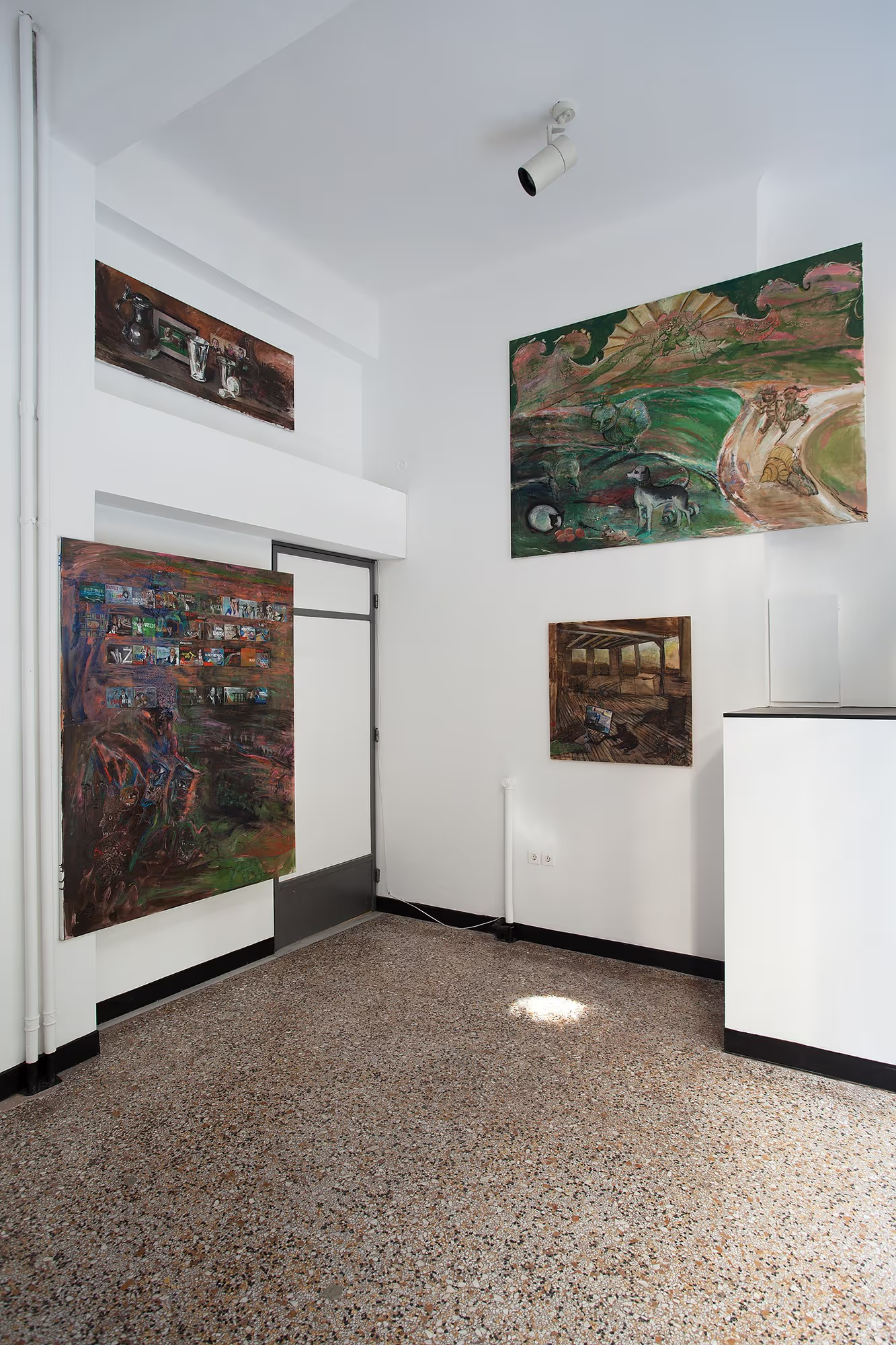
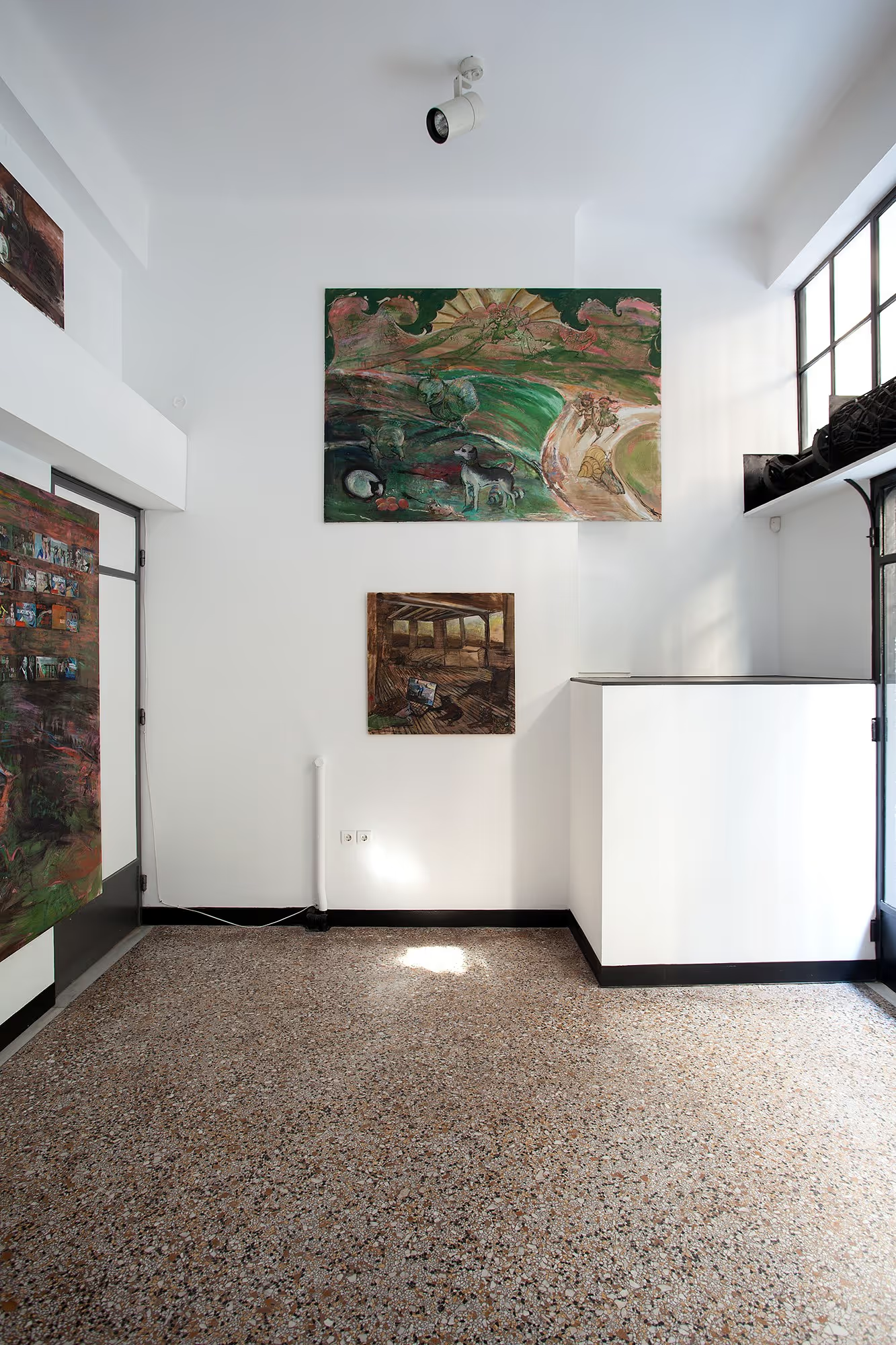
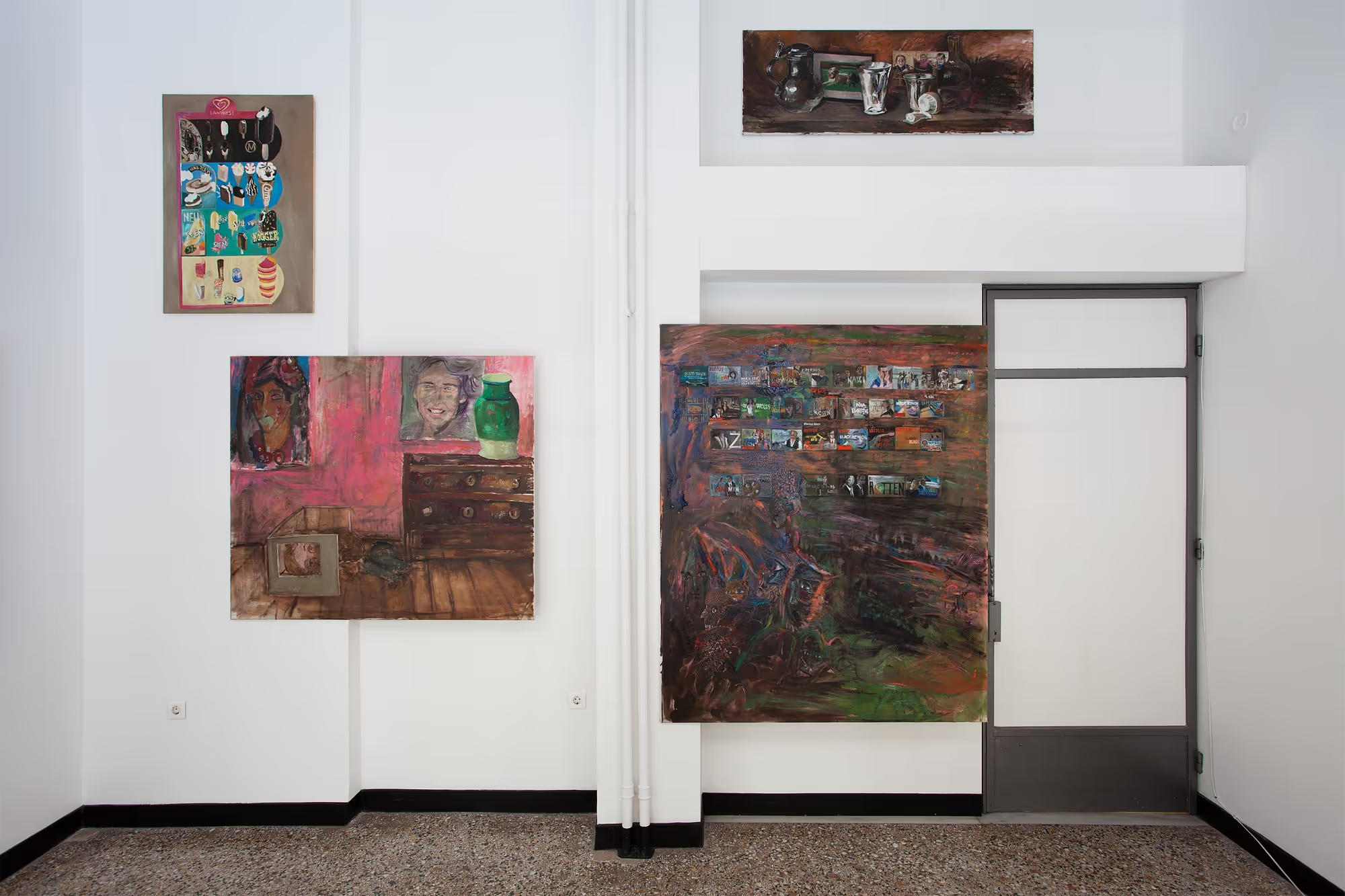
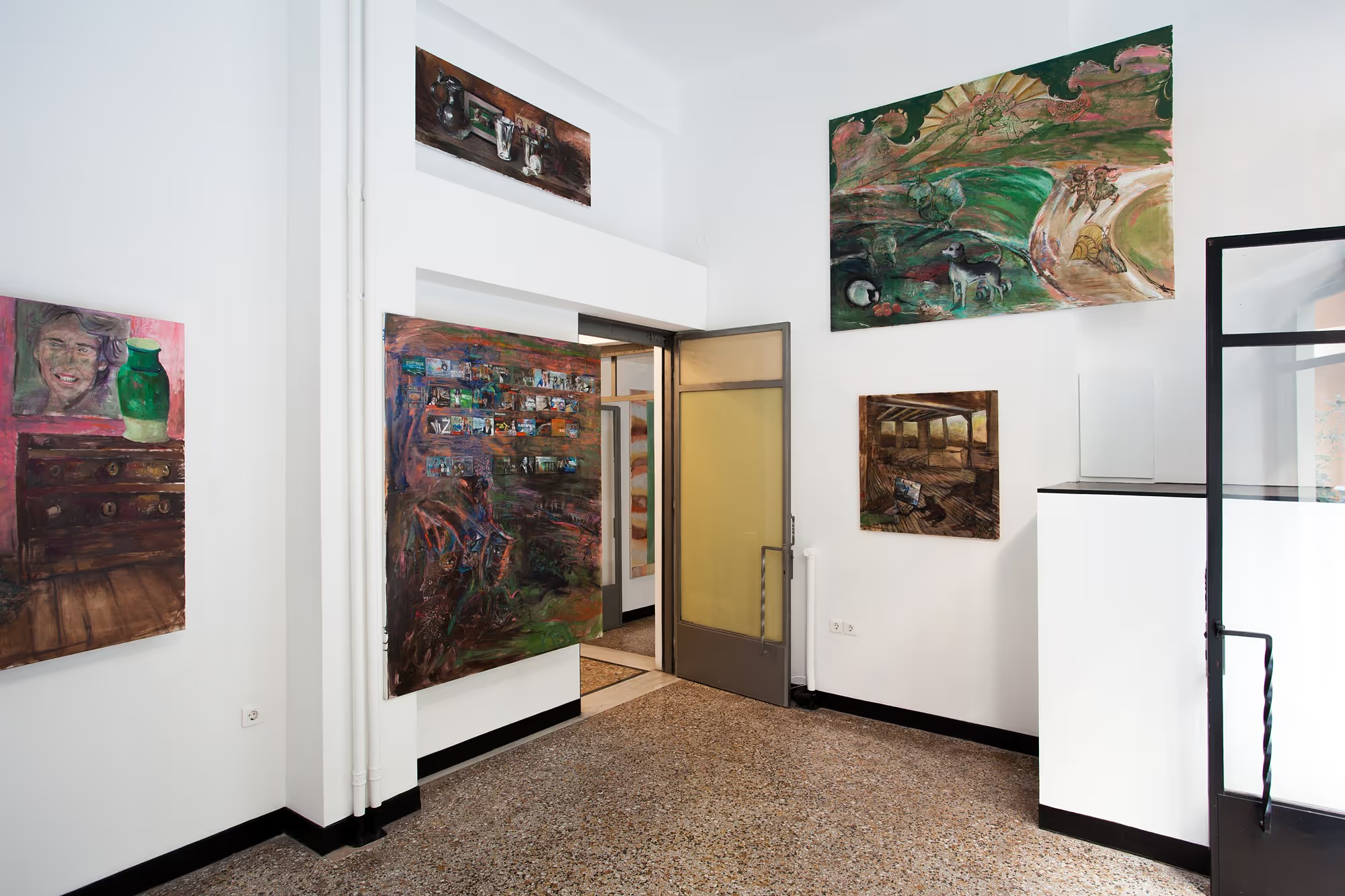
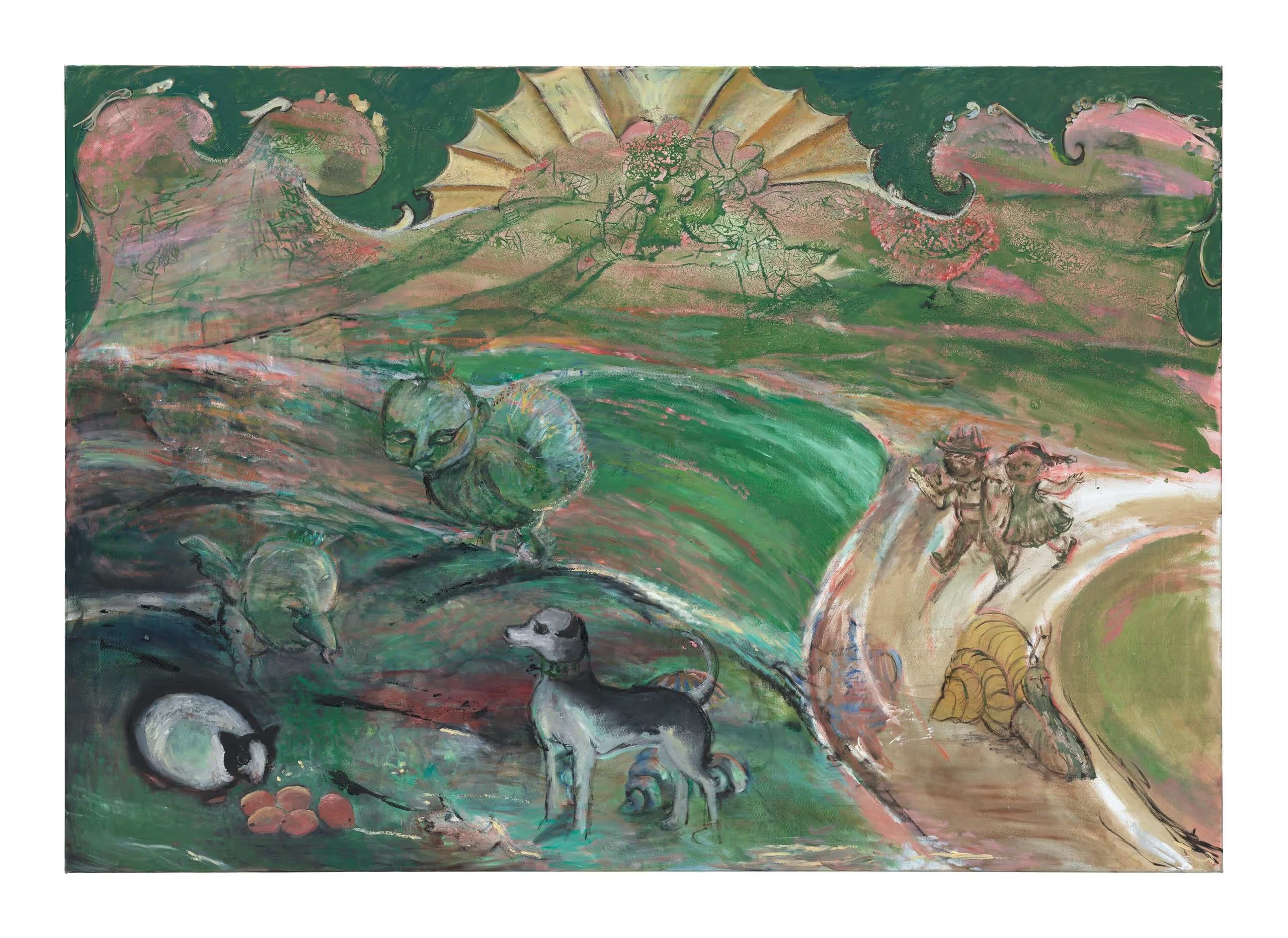
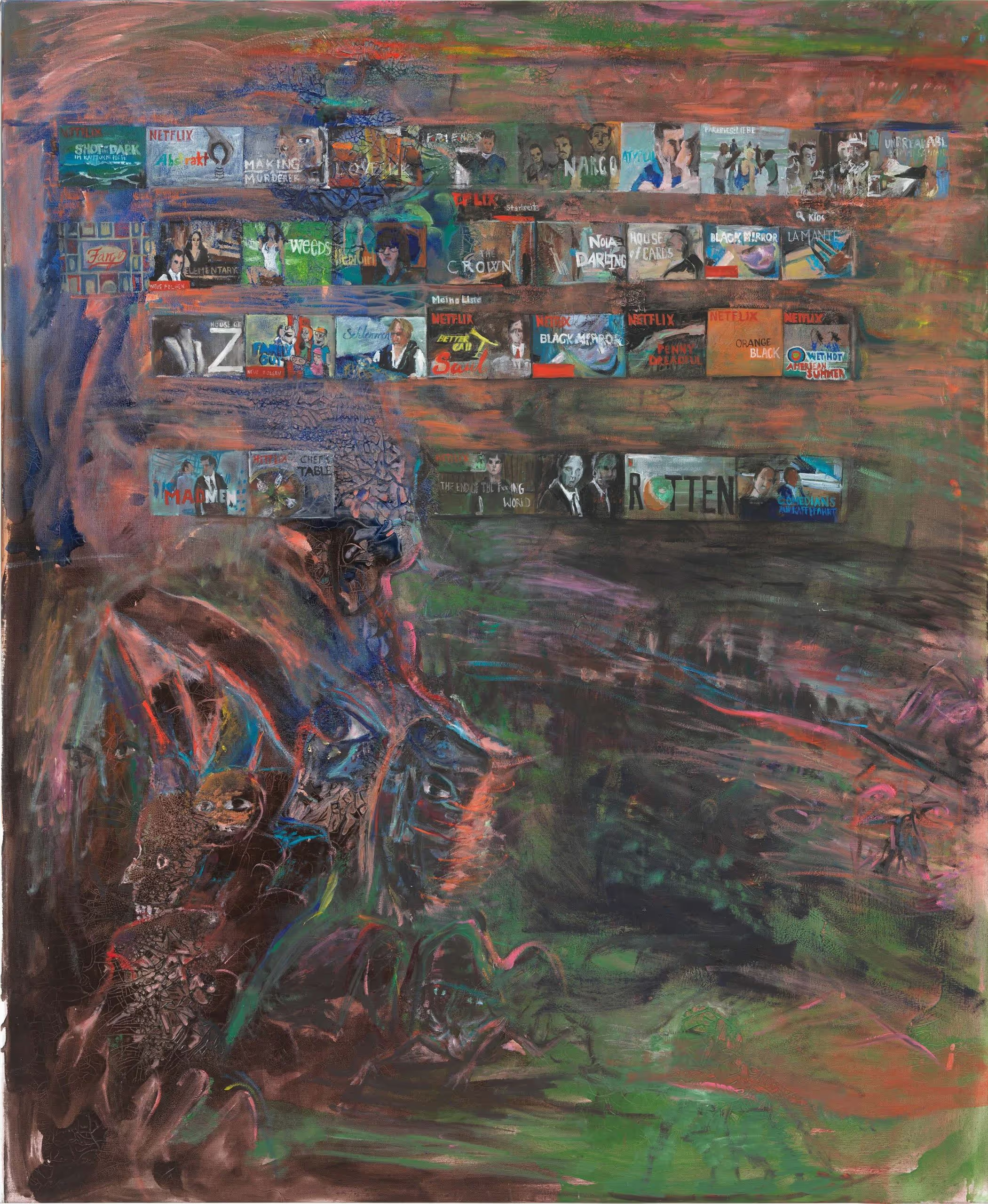
Outset Greece is delighted to have supported Amelie von Wulffen's solo show entitled Hedwig's Betrayal: Paintings, Comics and a Cupboard at Radio Athènes.
"Hello Flaumi, we are going to the river to look at our reflection, wanna join us?" ask the diamond-shaped characters their troubled young community member Flaumi.
As in many of Amelie von Wulffen’s comics inhabited by speaking shapes, small animals, fruits and vegetables, gallerists, the artist herself and her Berlin milieu, in Flaumi is Developing Splendidly - one of the four stories published in English on the occasion of the exhibition at Radio Athènes - von Wulffen explores the vicissitudes of reflective representation.
The mirror (the river in this case) as a recording surface for visual perceptions but also as a surface behind which there is content - think of Alice Through the Looking Glass - can serve as a metaphor for the complicated narratives performed in the pictorial space Amelie von Wulffen creates. "Am I the lover or the beloved - the one who wants or the one who is wanted?" asks Ovid’s Narcissus as he encounters his reflection. Is it the painter’s desire (fantasy) we are looking at, is it our desire (fantasy)?
Boundaries between personal experience and shared social anxieties, self and introject, real and imaginary time and space, explode in the work of von Wulffen who seems to mine the register of the unconscious. However, unlike the psychoanalytic subject’s unconscious whose fantasies about time and space are not in real time and space, here we encounter the paradox of simultaneity: childhood memories, the history of painting, scenes from Netflix series, ice-cream advertisements, cats, Bavarian landscapes, lovers, dogs, and interiors collapse on the surfaces the artist uses that include various materials from canvas, wood, and paper to pianos and found pieces of furniture such as antique cupboards, beds, sofas and school chairs.
How can one distinguish the daydream from the actual event? Is the author and the hero one and the same? Or is the artist’s (subject’s) role dispersed across the narrative? I am thinking here not just of the unexpected links between the contemporary and the untimely in many of von Wulffen’s paintings and pencil-drawn comics —as when she is having conversations with Francisco de Goya in her autobiographical comic Am kühlen Tisch (At the Cool Table) for example—but also of the narrative of painting as a medium itself and a kind of "spiral retelling" as it were, that manifests itself in her quotations of painting styles.
The publication ‘Amelie von Wulffen, Hedwig’s Betrayal: 4 Comics’ was made possible with the support of Goethe-Institut and the exhibition with the support of Institut für Auslandsbeziehungen.
OPENING: 17th September, 7:30 – 9:30 pm
ON VIEW: 17th September - 16th November 2019

