


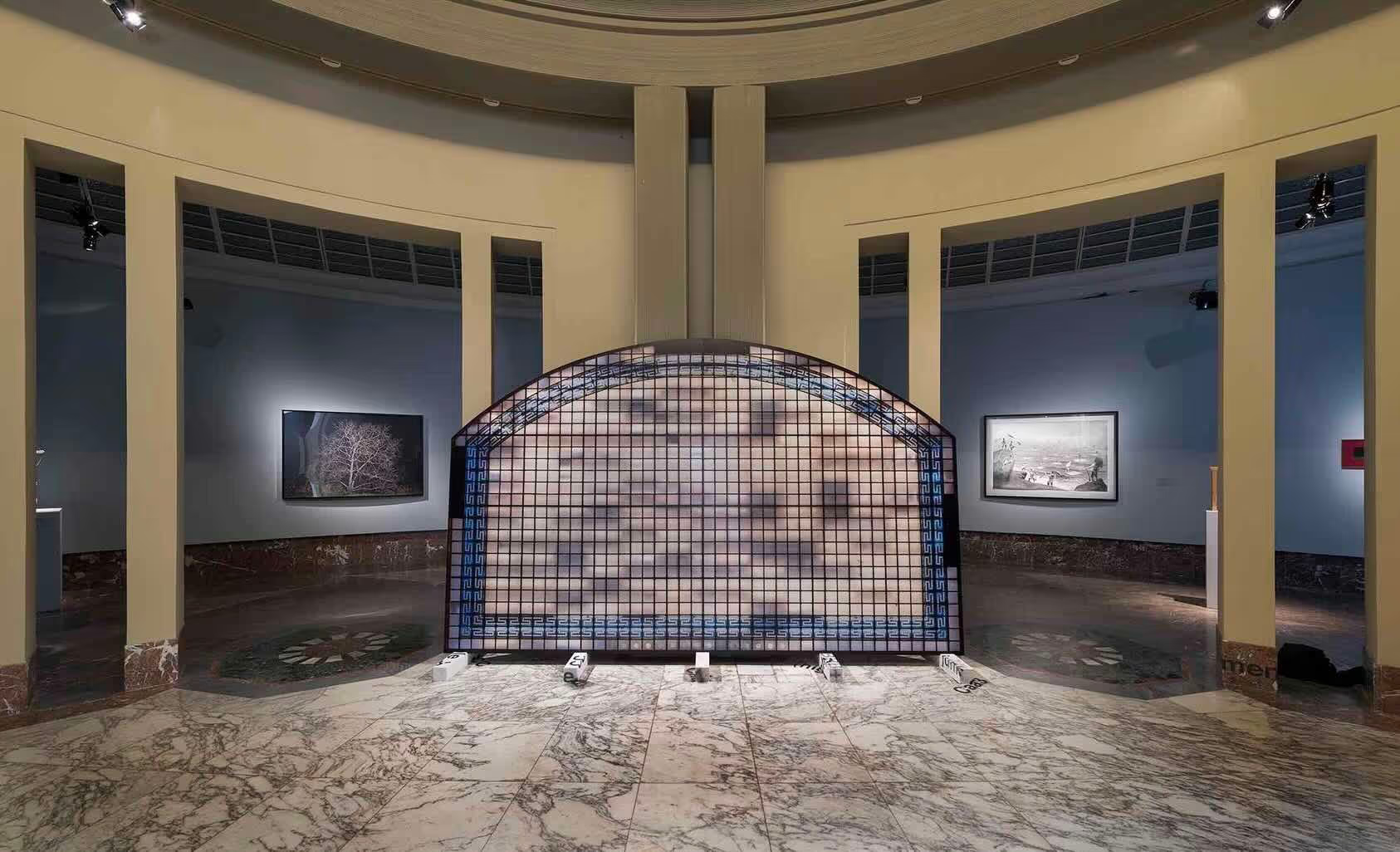
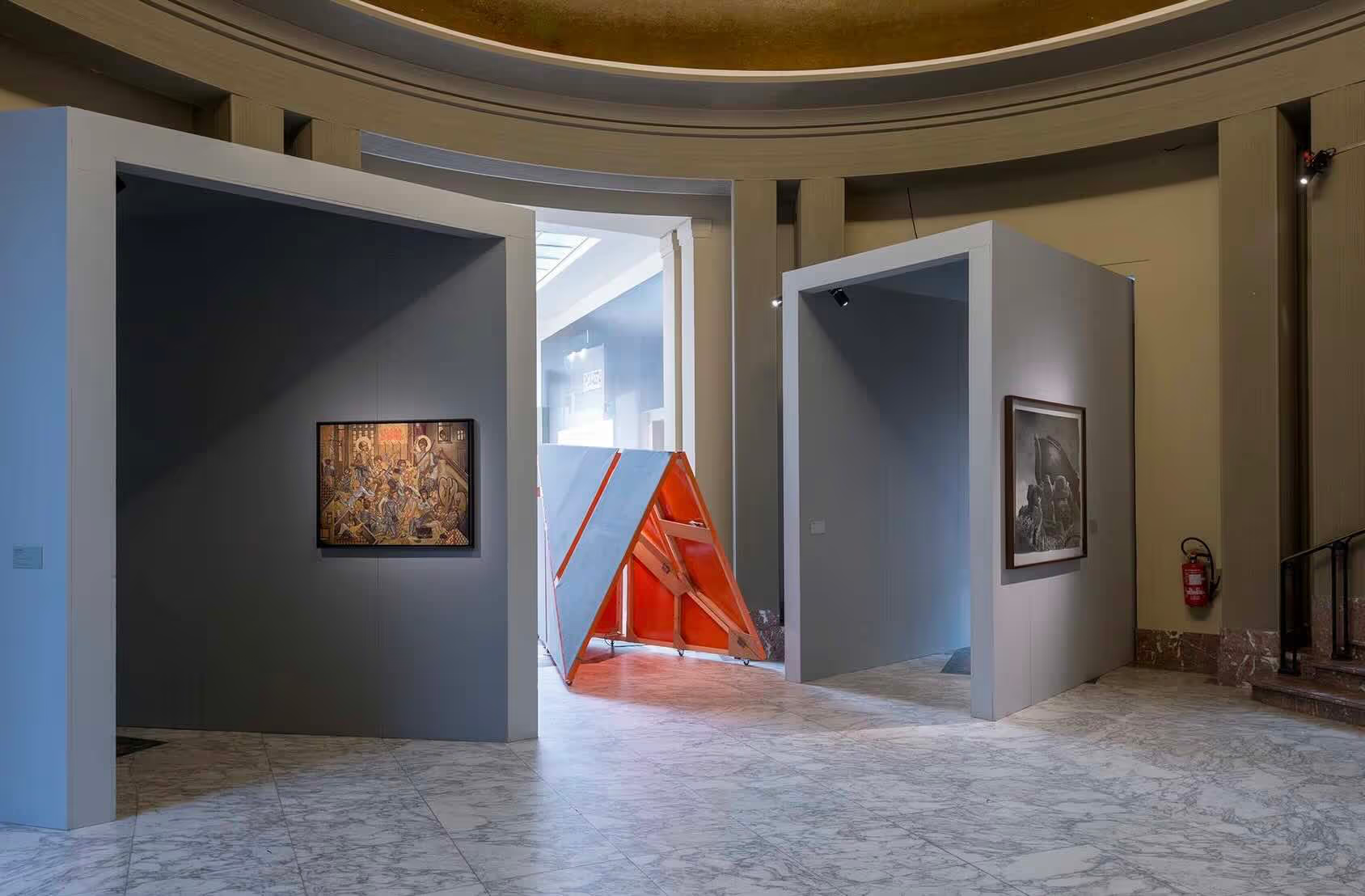
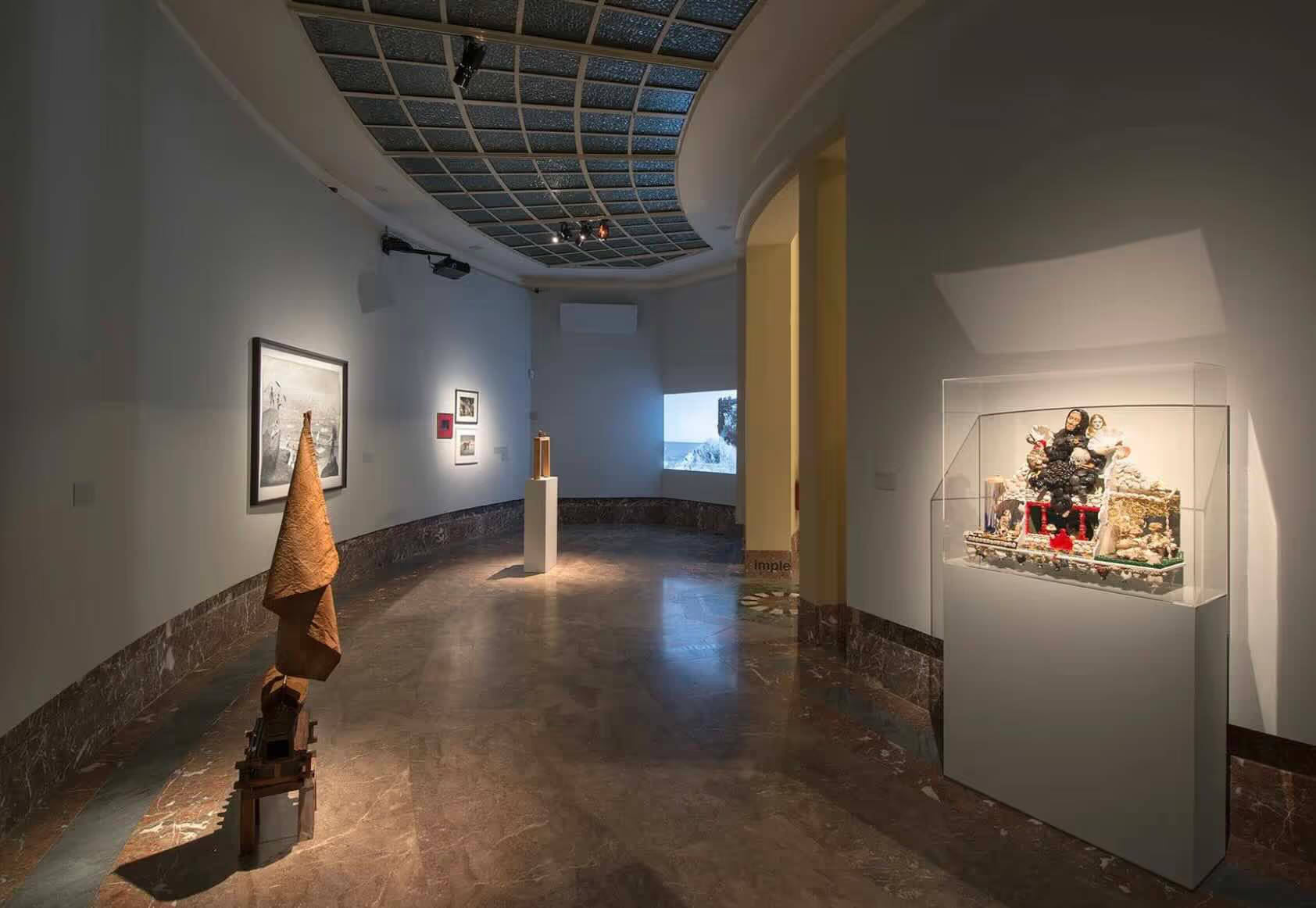
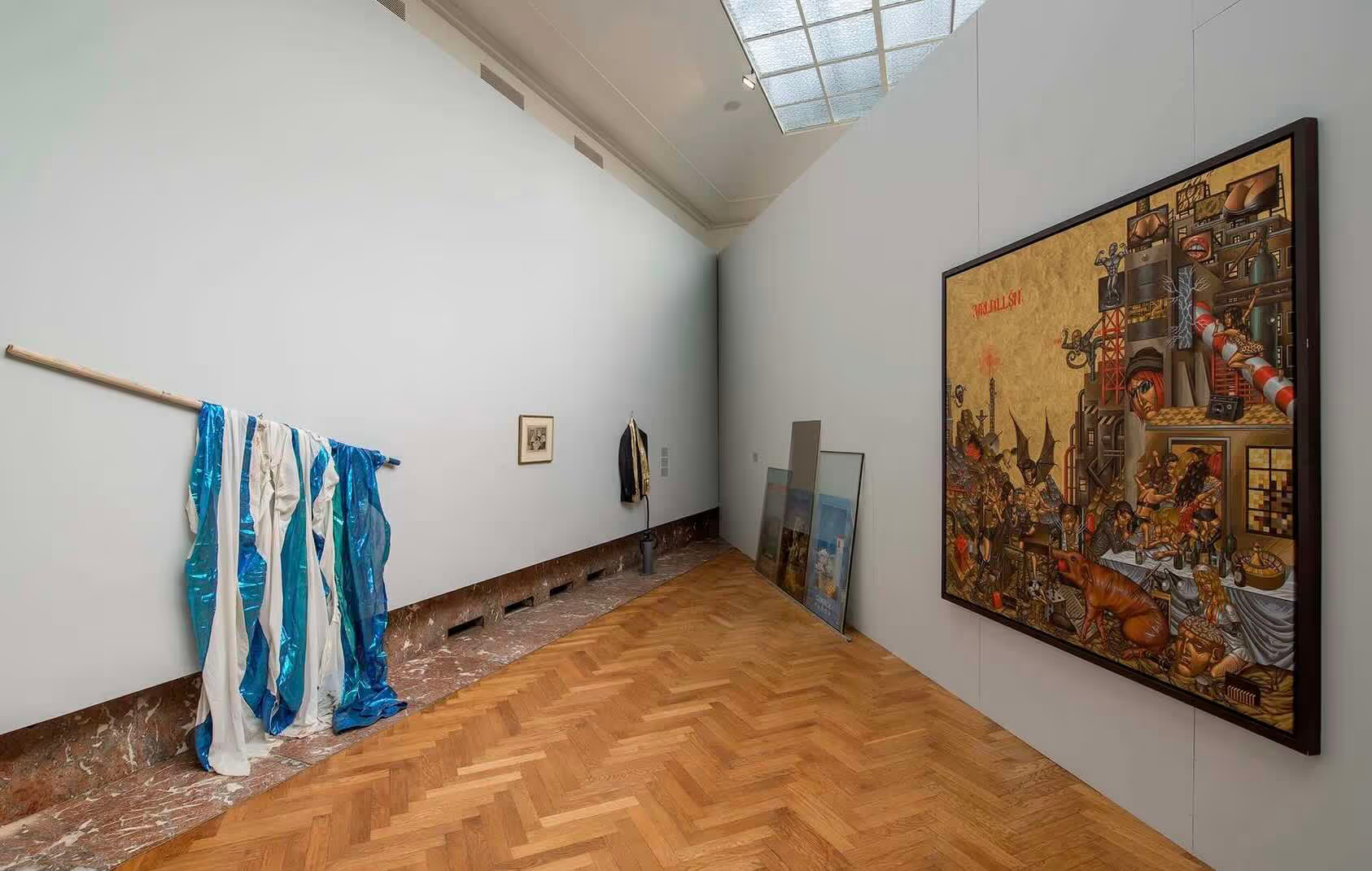
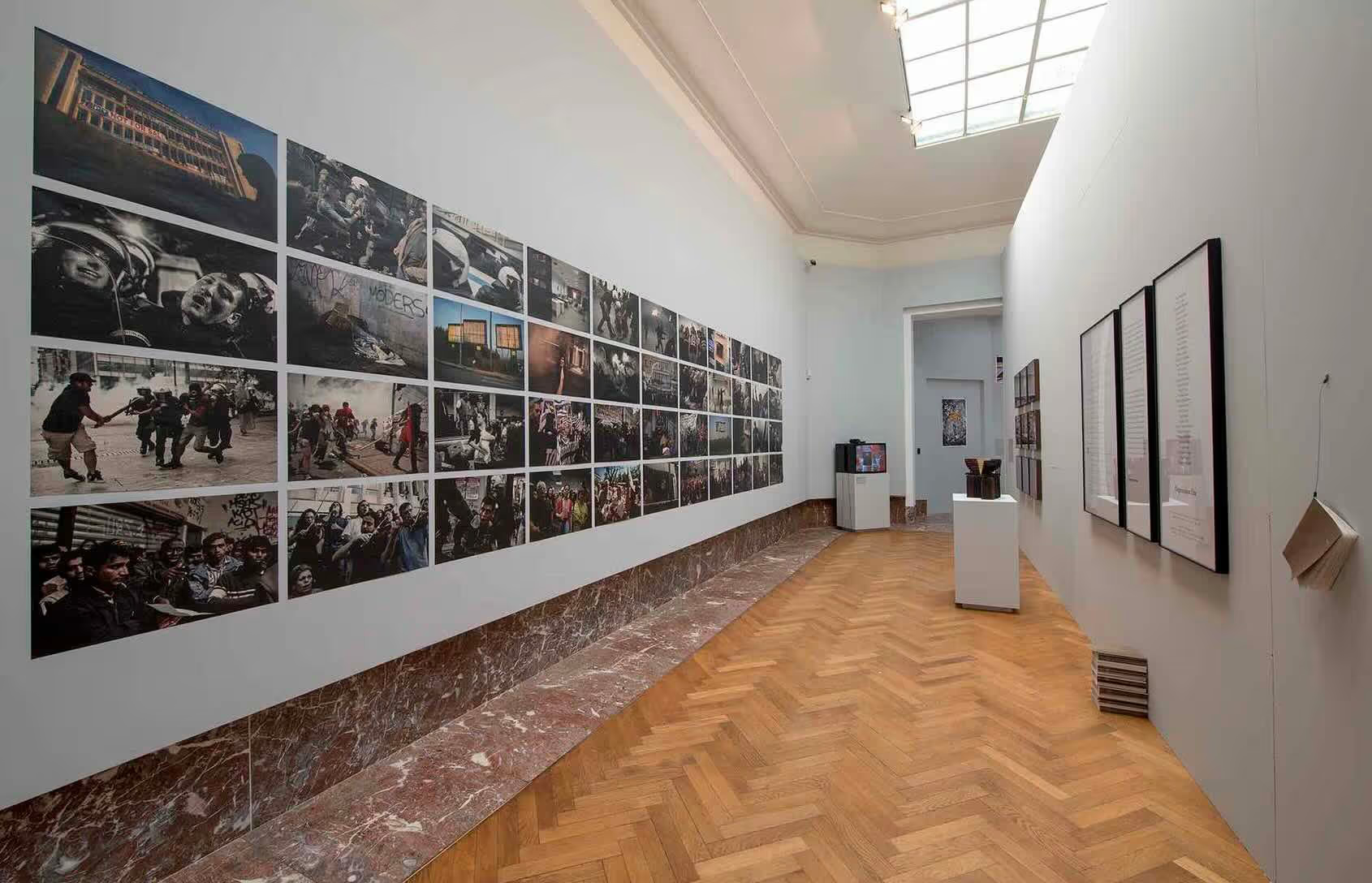
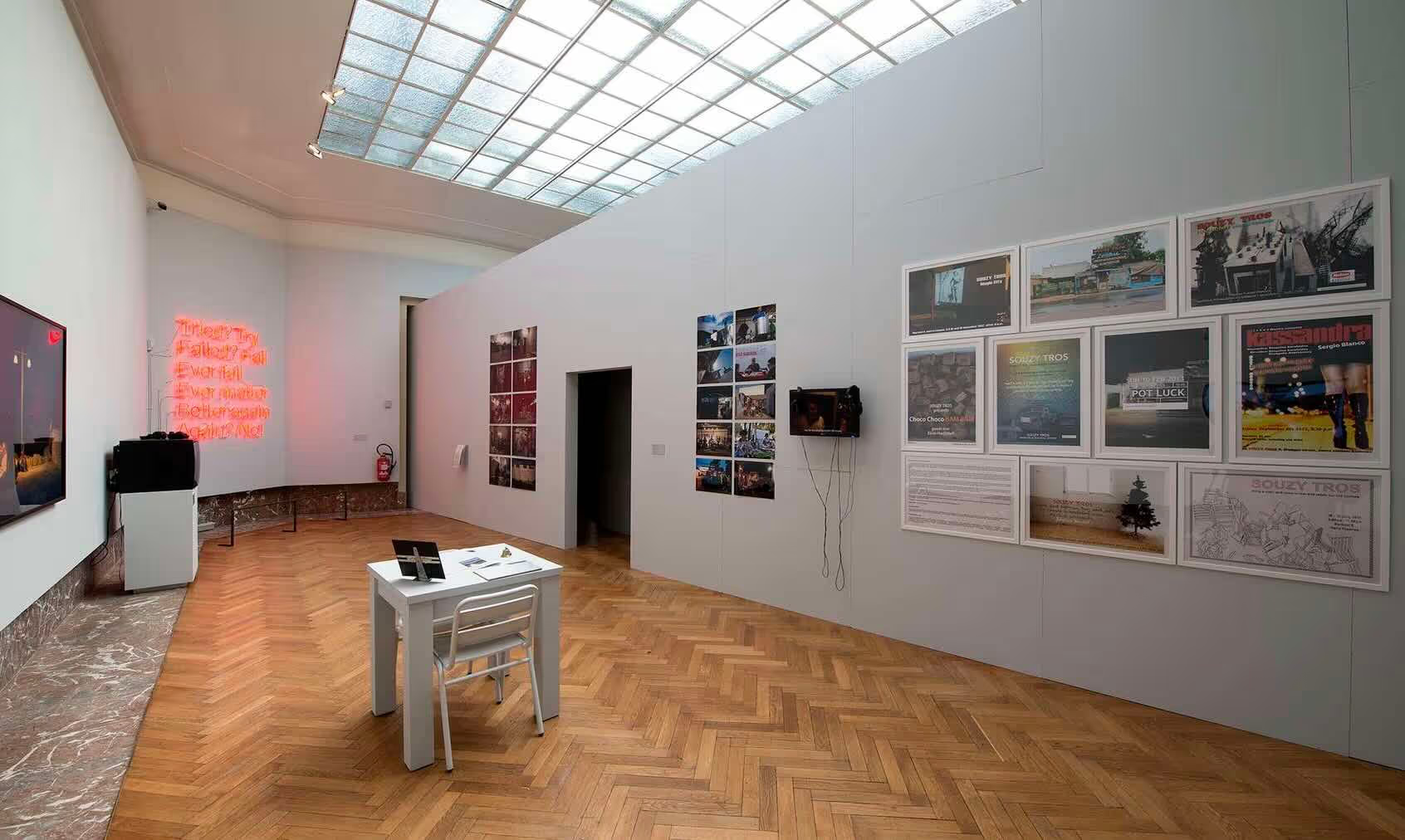
Outset Greece supported the exhibition No Country for Young Men: Contemporary Greek Art in Times of Crisis at the Centre of Fine Arts BOZAR, in Brussels. The group show curated by Katerina Gregos explored the current state of affairs in Greece and shed light on how the financial crisis has affected the Greek people, the social body, institutions, landscape and environment, as well as artistic production.
A great deal has been written about the financial crisis in Greece. Articles often focus on statistics related to the economy, or are sensationalist reports about riots, increasing nationalism and xenophobia. However, there has been little in-depth reporting of the humanitarian consequences of the austerity plan. No Country for Young Men sought to transcend stereotypical media representations of the crisis. The exhibition reflected on the social and economic reality of Greece today and payed special attention to the dramatic transformations that have occurred.
The exhibition’s title, which plays on Joel and Ethan Cohen’s film No Country for Old Men (2007), and the book by Cormac McCarthy of the same name, evoked the unfavourable situation for young people in Greece in 2014 as well as the sense of aggression felt against Europe’s financial ‘frontier territory’. The exhibition, however, also looked at the possibilities that the crisis offers for re-inventing and re-imagining the country. No Country for Young Men therefore also highlighted the creativity that has sprung up in Greece in recent years.
How has the crisis affected art in Greece? How do artists react and respond to the current situation? What images of Greece are they conveying at this precarious turning point for the country? The critical nature of the Greek crisis is not something that concerns only the Greeks. It is symptomatic of a European as well as wider malaise, and can be considered a pars pro toto for the global picture.
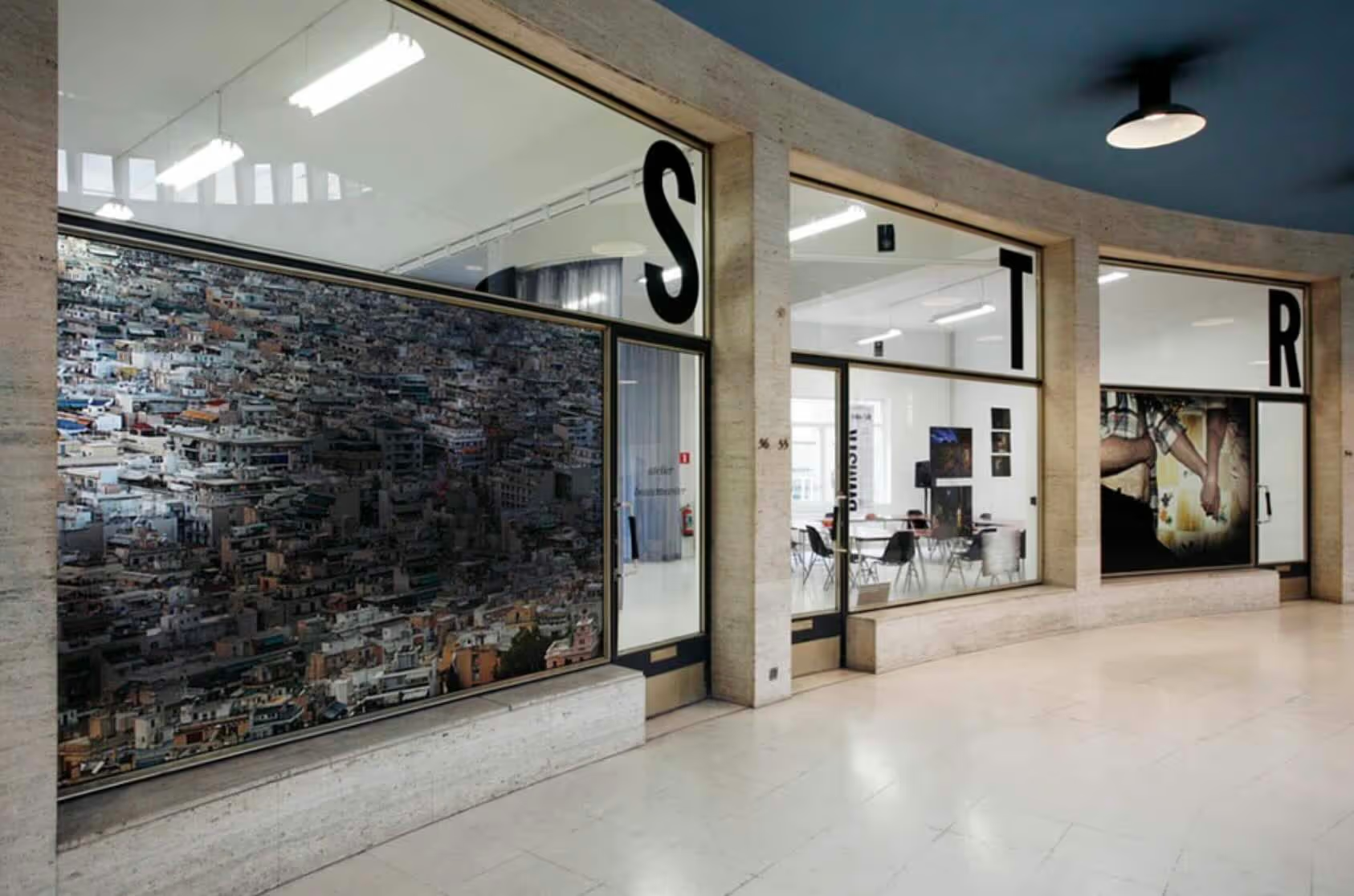
This exhibition was the first of its kind since the outbreak of the crisis and was the largest presentation of contemporary Greek art to take place outside Greece for a decade. Brussels is as the hub of many of the decisions that affect suffering European countries, making the location of this exhibition all the more relevant. The exhibition included newly produced and recent work by 33 artists and collectives. It also featured a satellite project by the collective Depression Era at the Atelier Bouwmeester located just across the road from BOZAR (54–59 Galerie Ravenstein). The Depression Era project is a collective of photographers, artists, researchers, writers, architects, journalists and curators formed in 2012, recording the Greek crisis through images and texts.
ON VIEW: 27th March - 3rd August 2014
Exhibition design: Danae Giamalaki

